
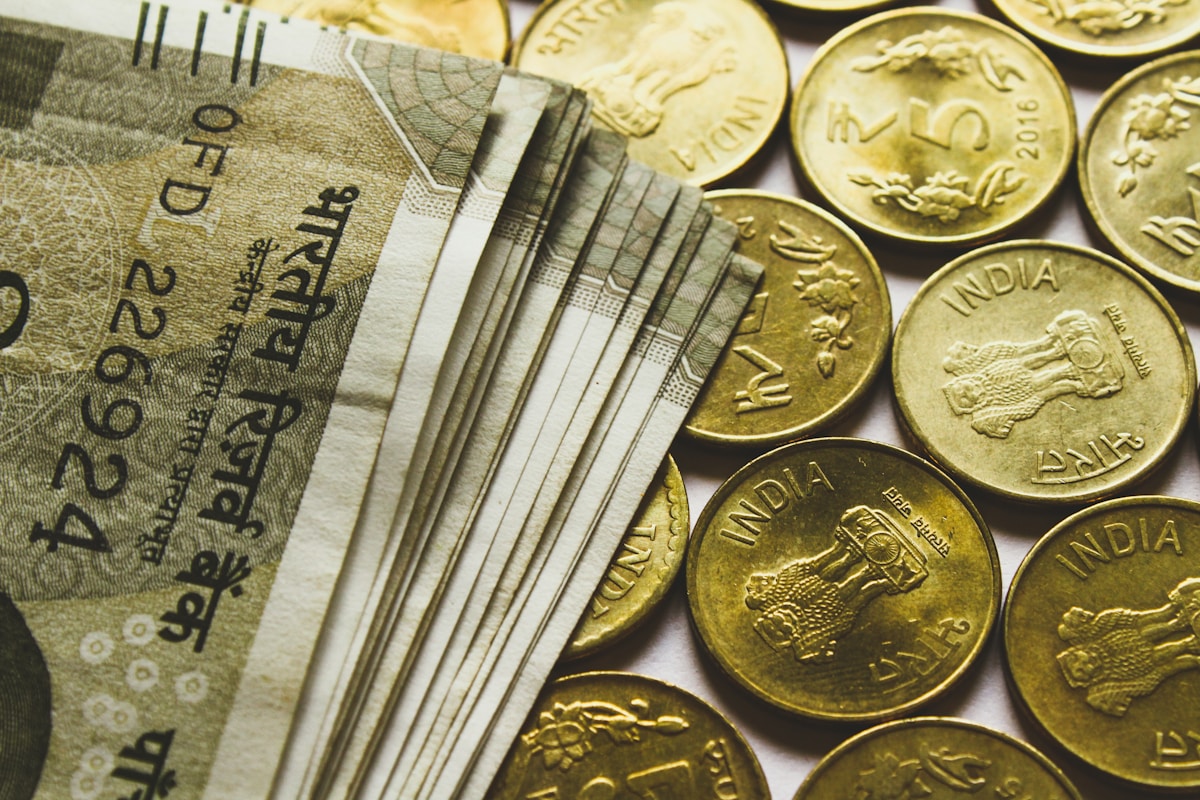
India's Unified Payments Interface has achieved a dominance in digital payments that few systems anywhere in the world can match. According to the Reserve Bank of India's latest Payment Systems Report, UPI now accounts for 85.5 percent of India's total payment transaction volumes — up from roughly 60 percent three years ago. The numbers are staggering: UPI transactions grew from 3,873 crore in 2021 to 22,828 crore in 2025, while the value of those transactions expanded from Rs 72 lakh crore to Rs 300 lakh crore. And just as UPI dominance peaks, the RBI is tightening the rules governing how it operates.
The Scale of India's UPI Achievement
To appreciate UPI's achievement, benchmark it against comparable payment systems globally. The UK's Faster Payments system, considered one of the world's most successful instant payment rails, handles approximately 4 billion transactions annually. The US's RTP network remains a fraction of its potential usage despite years of operation. UPI's 22,828 crore — or 228 billion — transactions in 2025 dwarfs both, achieved while serving a population where a significant proportion of users are first-generation digital finance participants accessing financial services primarily through mobile phones.
PhonePe, Google Pay, and Paytm continue to dominate UPI app market share, but the competitive dynamics are shifting. NPCI's decision to allow more payment aggregators to build UPI-native products has introduced new entrants from banking, insurance, and retail sectors. WhatsApp Pay has finally achieved regulatory clearance for full-scale operations and is converting its massive user base into payment volume. The ecosystem is maturing from a de facto duopoly into a genuinely competitive marketplace, driving innovation in UPI-based financial products including credit lines on UPI, insurance micropayments, and mutual fund investment round-ups.

RBI's New 2FA Rules: What Changed in April 2026
Effective April 1, 2026, the RBI introduced mandatory two-factor authentication for all digital transactions — a move designed to address rising digital payment fraud that has accompanied UPI's explosive growth. The framework requires a minimum of two independent verification factors, typically a device PIN combined with a biometric or one-time password, for transactions above specified thresholds. Simultaneously, the RBI introduced risk-based authentication for low-risk transactions, allowing common recurring payments to process with reduced friction while flagging unusual patterns for enhanced verification.
For consumers, the most immediate impact is on auto-debit transactions. The RBI's Digital Payments E-mandate Framework, which took effect April 21, 2026, governs recurring transactions through cards, prepaid payment instruments, and UPI. Under the new framework, recurring transactions up to Rs 15,000 per transaction can be processed without additional factor authentication — a threshold covering the vast majority of consumer subscription payments, utility bills, and EMI collections. Insurance premiums, mutual fund subscriptions, and credit card bill payments enjoy a higher threshold of Rs 1 lakh before additional verification is required, recognising the regular and predictable nature of those financial commitments.
UPI Goes Global: Eight Countries and Counting
Beyond domestic dominance, perhaps the most significant strategic development for UPI in 2026 is international expansion. UPI QR-code payments are now operationally deployed in eight countries including France, Singapore, and the United Arab Emirates, with transactions settled in Indian rupees for Indian travellers and in local currencies for merchants. The NPCI International Payments platform managing UPI's cross-border deployments is in active discussions with payment authorities in Malaysia, Thailand, Japan, and the United Kingdom about further expansion.
For the 18 million-strong Indian diaspora globally, UPI's international availability represents a meaningful quality-of-life improvement: using a familiar, instant payment interface rather than navigating unfamiliar local systems or expensive international card networks. For India's foreign policy, UPI's international expansion is a soft power instrument — building economic interdependence and demonstrating India's technological capability to provide payment infrastructure that other countries' merchants and consumers can rely on. The geopolitical significance of a globally adopted Indian payment standard is not lost on the Ministry of External Affairs, which has been actively supporting NPCI International's expansion discussions.

Credit on UPI and the Next Wave of Innovation
UPI's dominance has created one of the world's most dynamic fintech ecosystems. Credit on UPI — allowing banks to provide credit lines spendable through UPI rather than a physical card — is experiencing rapid growth, with NPCI reporting 340 percent year-over-year transaction growth in FY26. UPI Lite, the offline-capable low-value transaction feature, has reached 85 million activated accounts. UPI123Pay, designed for feature phone users without smartphones, has brought digital payments to another 50 million previously unserved users in rural and semi-urban India.
The broader economic implications of 85.5 percent payment market share are profound. India is approaching a point where digital payment acceptance is as universal as cash acceptance was a decade ago — a transformation creating new possibilities for financial inclusion, small business credit access, and government service delivery. The 22,828 crore transactions in 2025 represent a near-complete paper trail for a previously informal economy, enabling data-driven credit assessment for hundreds of millions of Indians who previously had no formal credit history and therefore limited access to financial services. This data asset, responsibly used, could transform credit availability for India's self-employed, gig workers, and small merchants over the next five years.
What Is Next for India's Digital Finance Ecosystem
The RBI's 2026 regulatory framework signals a maturation of India's digital payments market: moving from growth-at-all-costs focused on transaction volumes to a quality phase focused on security, reliability, and sustainable economics. The push toward profitability in UPI-adjacent fintech businesses — buy-now-pay-later players, UPI-based lending platforms, digital insurance distributors — is accelerating as investor appetite for unprofitable growth models has cooled globally. The next chapter of India's fintech story will be written by companies combining UPI's distribution reach with genuinely sustainable business models built on responsible data use and demonstrated unit economics.