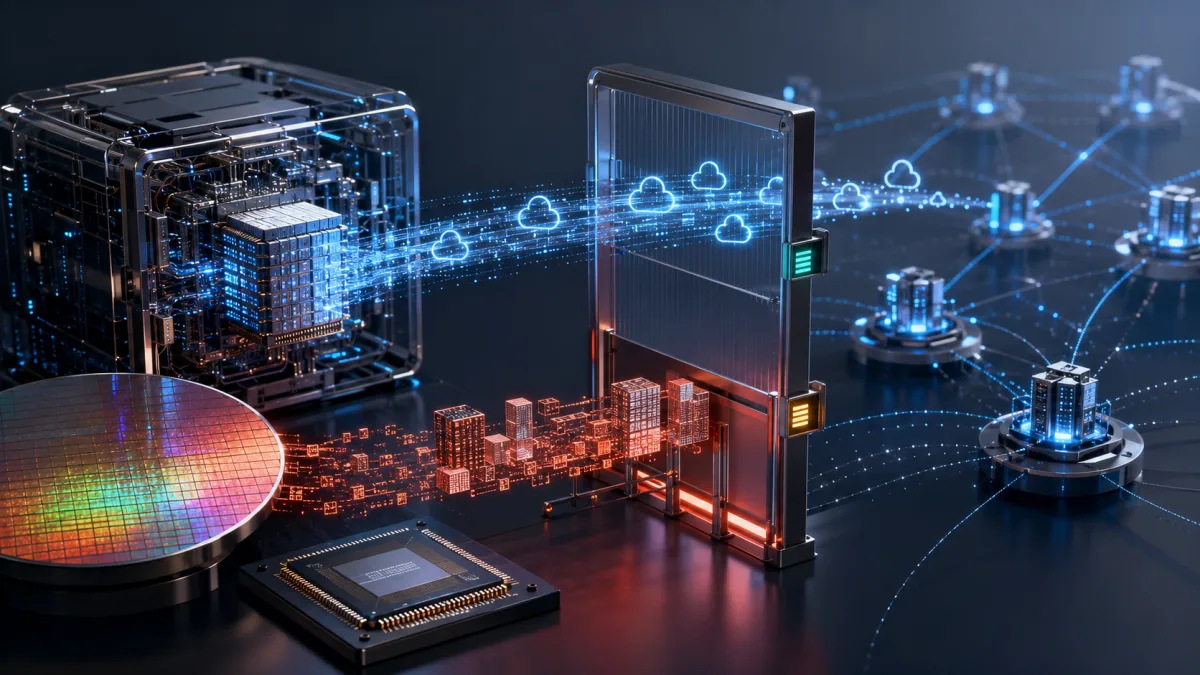
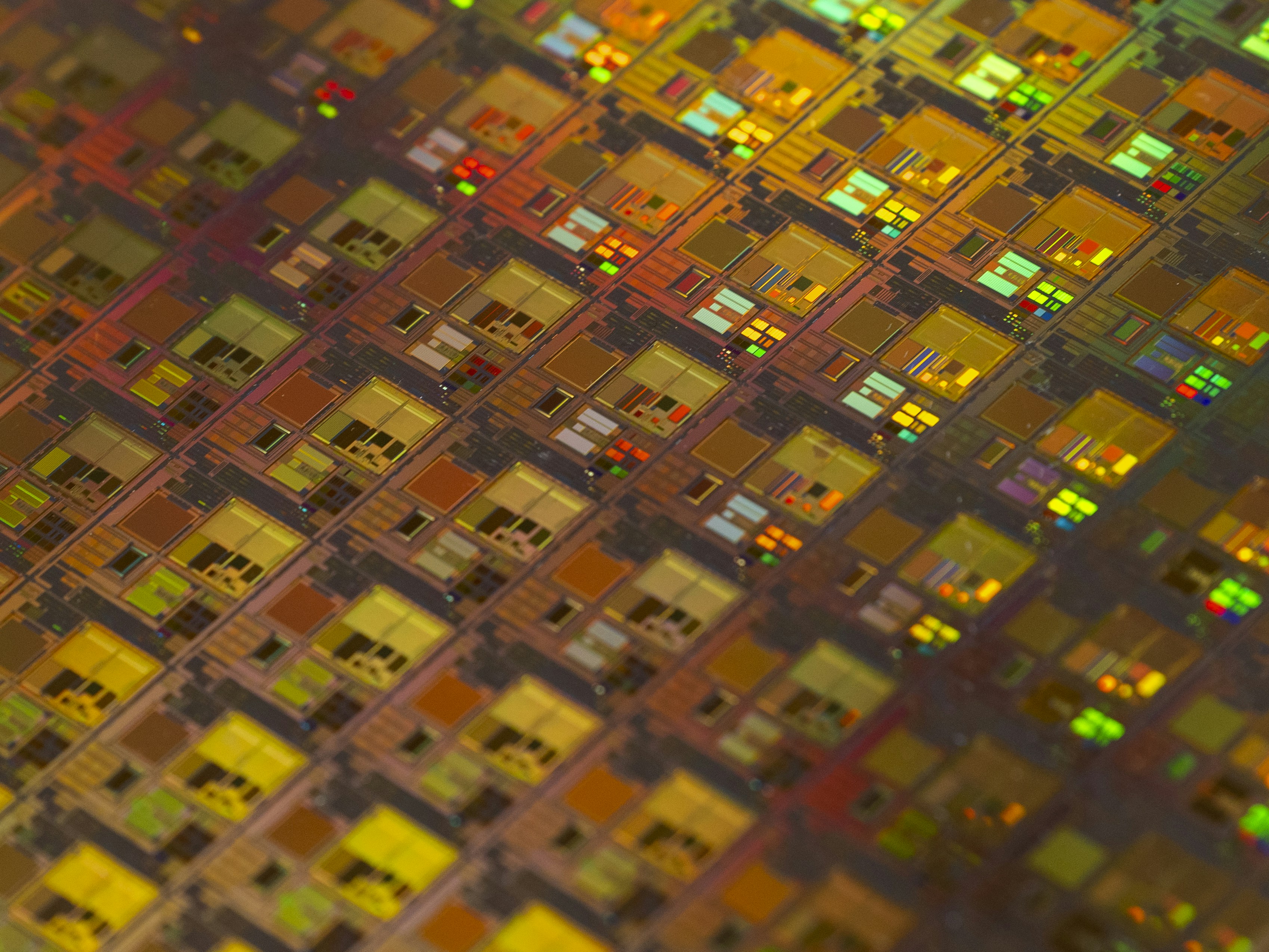
India imports nearly all of its semiconductors — the chips powering every smartphone, server, EV, and AI system. That dependence is expensive, strategically risky, and untenable in a world where chip supply chains have become geopolitical weapons. The Union Budget 2026–27 announced India Semiconductor Mission 2.0 (ISM 2.0): a ₹8,000 crore allocation, 12 approved manufacturing facilities across six states, and a clear target — by 2035, India will be among the world's top semiconductor nations. Here's what ISM 2.0 actually entails and why it's India's most ambitious technology bet yet.
ISM 2.0: What the Numbers Actually Mean
The headline ₹8,000 crore (~$960 million) budget understates the total capital in motion. As of May 2026, the Union Cabinet had approved semiconductor projects with cumulative investment commitments of approximately ₹1.64 lakh crore (~$19.7 billion) across 12 facilities in six states. These include Tata Electronics-Powerchip's fab in Gujarat (28nm logic chips), CG Power's OSAT (Outsourced Semiconductor Assembly and Testing) facility, and Micron Technology's memory packaging plant — the first major US semiconductor company to set up manufacturing on Indian soil. According to the Press Information Bureau, facilities span Gujarat, Maharashtra, Assam, Odisha, and Karnataka, deliberately distributing economic impact beyond existing tech hubs. By 2029, India is expected to achieve the capability to design and manufacture chips covering 70–75% of domestic applications. By 2035, the target is joining Taiwan, South Korea, the US, and the Netherlands as a top-tier semiconductor nation.
ISM 1.0 vs ISM 2.0: What Actually Changed
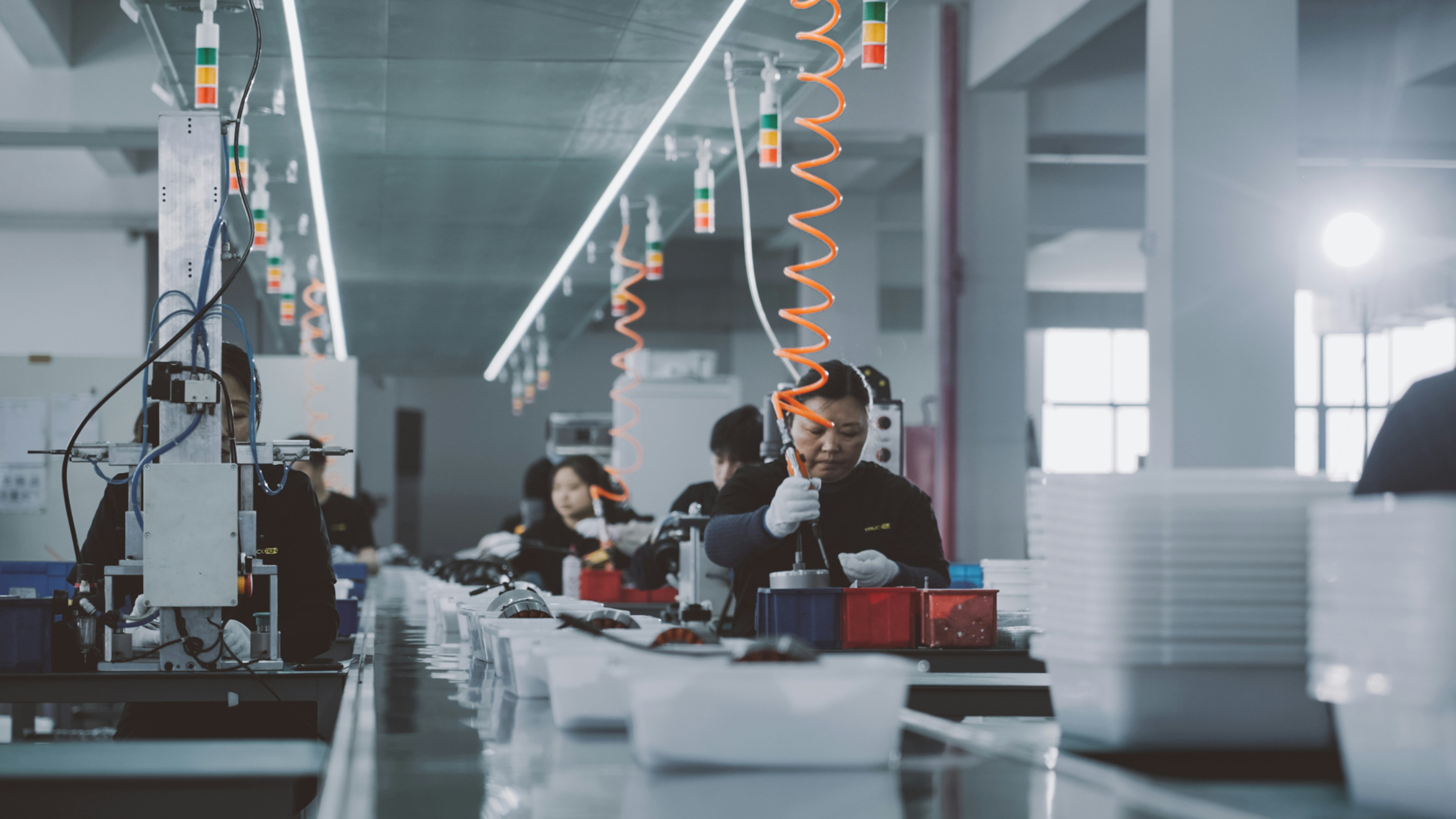
ISM 1.0 (launched 2021) focused on factory infrastructure — getting physical plants approved, subsidized (50% government contribution), and constructed. ISM 2.0 shifts focus in three critical ways. First, it funds semiconductor equipment and materials manufacturing in India — not just chip assembly, but the machines and chemicals that make chips. India currently imports virtually all semiconductor manufacturing equipment from Japan, the Netherlands (ASML), and the US. Second, ISM 2.0 funds full-stack Indian semiconductor intellectual property — Indian-designed chip architectures owned by Indian entities. Third, it prioritizes supply chain localization: domestic production of specialty gases, chemicals, and silicon wafers that fabs currently import. The transition from ISM 1.0 to 2.0 mirrors India's AI strategy pivot. As we covered in our analysis of Sarvam AI's unicorn breakthrough, India is deliberately moving from consuming foreign technology stacks to building indigenous ones — whether those stacks are AI models or silicon wafers.
Which States and Companies Are Leading the Race
Gujarat has emerged as India's semiconductor hub, hosting the Tata Electronics-Powerchip fab — India's first logic semiconductor plant — and Micron's memory packaging facility near Sanand. Both benefit from Gujarat's established industrial infrastructure, Mundra Port proximity for equipment imports, and the state government's aggressive land and utility subsidy packages. Assam hosts Tata's OSAT facility near Morigaon, addressing the government's stated goal of distributing semiconductor employment to northeastern states. On the design side, India has a structural advantage: an estimated 20%+ of the world's chip designers are Indian-origin engineers. Companies like Qualcomm, Intel, AMD, and Nvidia all run large VLSI and embedded systems R&D teams in Bengaluru and Hyderabad. ISM 2.0 aims to redirect some of that talent toward building Indian-owned chip IP rather than exclusively serving foreign semiconductor companies. As we noted in our analysis of Jio Platforms' historic IPO filing, the capital markets are beginning to reflect India's technology ambition — and chip IP companies could be the next wave of Indian unicorns.
Can India Actually Compete With Taiwan and South Korea?
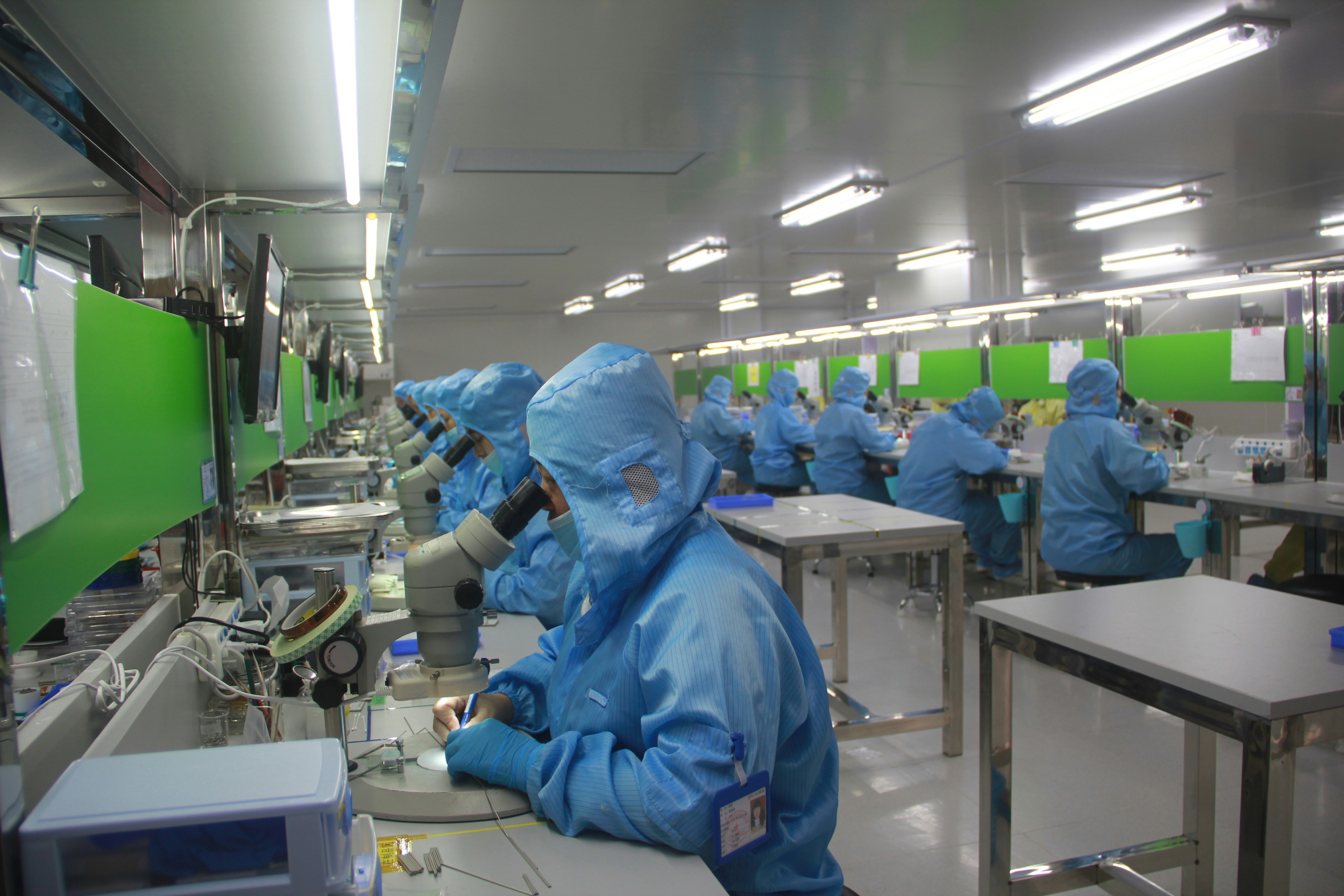
The honest answer: not at the leading edge in the next decade. TSMC manufactures chips at 2nm and 3nm nodes — requiring $20+ billion fabs and decades of accumulated process expertise. India's initial fabs operate at 28nm, several generations behind. But 28nm is not irrelevant — it covers chips used in automotive systems, industrial controls, defense electronics, and consumer appliances. India's realistic near-term trajectory is OSAT and mature-node specialization, with IP design as a parallel strength. "India will not out-TSMC Taiwan," an analyst at IMARC Group noted in a June 2026 report. "But India will absolutely own the design IP layer and the packaging tier within a decade." The 50% government subsidy structure dramatically de-risks early entrants — and the $19.7 billion in committed private investment suggests industry believes the policy will hold.
What This Means for You
For Indian engineers, ISM 2.0 is creating a decade-long hiring wave in chip design, fab operations, equipment maintenance, and supply chain management. For Indian consumers, domestic chip production will eventually reduce electronics costs and improve supply chain resilience during global crises. For investors, semiconductor manufacturing is capital-heavy with long payback periods — but the 50% government subsidy dramatically de-risks early participants. And for India's technology sector broadly, domestic chips are the foundation layer beneath everything else: AI, EVs, defense, and 6G all run on silicon.
Frequently Asked Questions (FAQs)
Q: What is India Semiconductor Mission 2.0?
A: ISM 2.0 is India's second-phase semiconductor strategy with ₹8,000 crore in annual allocation. It builds on ISM 1.0's factory approvals by funding semiconductor equipment manufacturing, domestic IP creation, and supply chain localization within India.
Q: Which companies are building semiconductor fabs in India?
A: Tata Electronics (with Taiwan's Powerchip), Micron Technology (US), and CG Power are among the first movers across Gujarat, Assam, and Maharashtra, with a combined announced investment of over ₹1.64 lakh crore across 12 approved facilities.
Q: Will India make chips for iPhones or Nvidia GPUs?
A: Not in the near term. India's initial fabs produce at 28nm — suitable for automotive, industrial, and consumer electronics, but not the 3nm processors used in iPhones or AI GPUs. India's near-term competitive edge is chip packaging (OSAT) and IP design, not leading-edge logic.
Q: How many jobs will India's semiconductor mission create?
A: Government projections estimate over 60,000 direct semiconductor manufacturing jobs and 300,000 indirect jobs in the supply chain over the next decade, with Gujarat, Assam, and Maharashtra as primary beneficiaries in the near term.
India's chip revolution is a multi-decade infrastructure commitment defining India's strategic position in the global technology economy. ISM 2.0 is the most significant step yet. Follow our India AI & Startups hub for ongoing coverage.