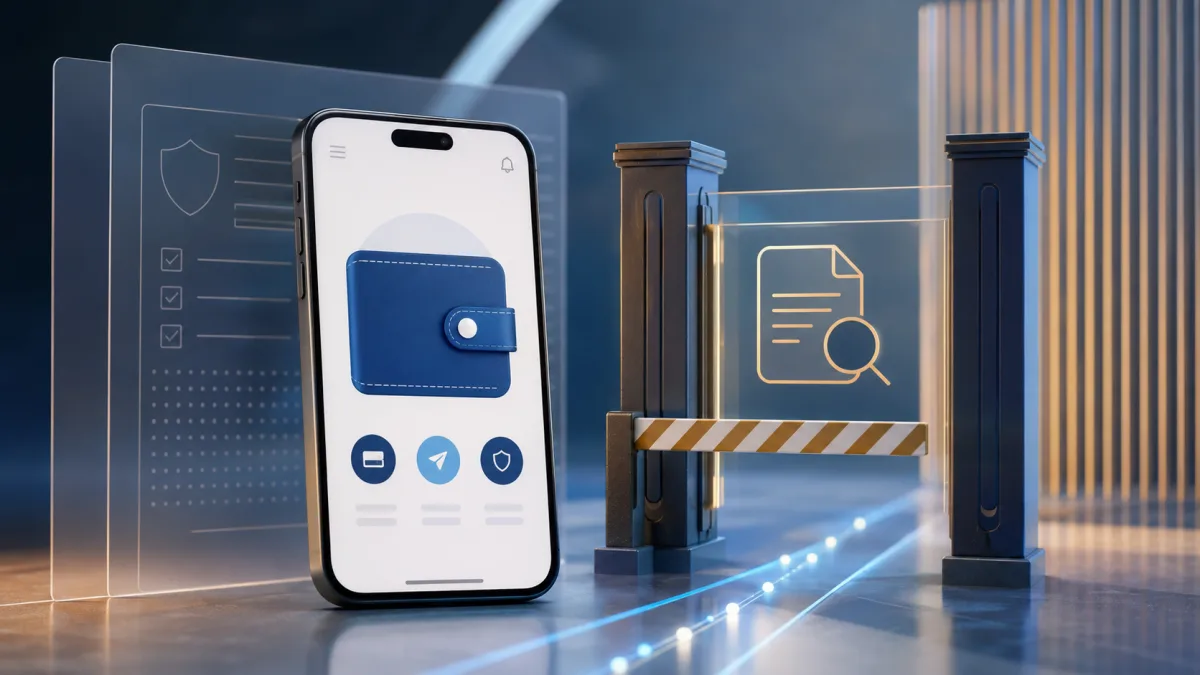
The Decade That Changed How 1.4 Billion People Pay
Ten years ago, most Indians carried cash for everything — from auto-rickshaw fares to grocery bills to temple donations. Today, the same transactions happen with a phone tap and a four-digit PIN, processed through a system that handles more real-time digital payments than any other country on earth. UPI's first decade is, without exaggeration, one of the most significant fintech achievements in history.
In March 2026, UPI recorded an all-time high of 2,264 crore transactions in a single month. Daily volumes now average approximately 66 crore transactions, with a daily value of approximately ₹86,000 crore. UPI now accounts for nearly 85 per cent of India's total digital payment volume, processed across a network that has grown from 21 banks at launch to over 703 participating banks.
Paytm's New Play: UPI for Teenagers
One of the most recent signals of UPI's deepening cultural embedding came on May 18, 2026, when Paytm launched Paytm Pocket Money — a UPI-based service designed for teenagers aged 13 to 18 with parental controls and spending limits. The product reflects both UPI's maturity as infrastructure and the fintech sector's pivot toward financial inclusion for demographics that were previously excluded from digital payments.
The Next Frontier: Credit Line on UPI
If UPI's first decade was about digitising payments, its second decade may be defined by Credit Line on UPI (CLOU) — a product that turns UPI from a payment rail into a credit delivery mechanism. Instead of debiting a bank account or prepaid wallet when a UPI payment is made, the transaction can draw from a pre-approved credit line. India has historically been an underpenetrated credit market — CLOU, built on top of UPI's identity and transaction infrastructure, could change that fundamentally.

India's Credit Stack Goes Global
Several countries in Southeast Asia, the Middle East, and Africa have already integrated UPI payment rails or adopted components of India's digital infrastructure stack. Singapore, UAE, Bhutan, Nepal, and France all accept UPI payments from Indian tourists and businesses. As CLOU matures, India's model is increasingly being cited as a reference point for financial inclusion in emerging markets globally.
The Competitive Dynamics of Indian Fintech in 2026
Within India, PhonePe, Google Pay, and Paytm collectively handle the vast majority of UPI volume, but the underlying infrastructure is commoditised. Competition has shifted to the adjacent services built on top of UPI: insurance, investments, lending, savings products, and CLOU. This layered competition — commodity payment rails with proprietary financial products on top — is producing some of the most innovative fintech products in the world.
What the Next Decade Looks Like
UPI's second decade will be defined by three themes: credit integration through CLOU, international expansion, and the rise of AI-powered financial services built on UPI's transaction data foundation. The combination of the world's largest real-time payment network with the world's fastest-growing AI services market is a uniquely Indian opportunity — and the companies that navigate it most effectively will shape the global fintech landscape for a generation.