
The Technology Creating the Climate Problem May Also Solve It
The data centers powering the AI revolution consume extraordinary amounts of electricity and water. The industry's power consumption is projected to nearly double between 2024 and 2030. For a technology sector that has positioned itself as a driver of human progress, the environmental footprint of AI is an uncomfortable truth that can no longer be managed through press releases about renewable energy commitments.
And yet, the same research that documents AI's environmental cost also reveals its potential as perhaps the most powerful climate tool ever developed. A study released in early 2026 found that AI advancements could reduce global greenhouse gas emissions by 3.2 to 5.4 billion metric tons annually by 2035 — enough to outweigh all projected data center emissions in the same period.
The Energy Demand Crisis at AI Data Centers
In the United States, data center energy consumption is already straining regional grids in Virginia, Texas, and the Pacific Northwest. Grid operators are warning that the pace of new data center connection requests is outrunning the infrastructure's ability to upgrade. In some regions, the queue to connect new power capacity runs to years, not months.
India is experiencing a parallel challenge. As Indian enterprises scale AI adoption and companies like Krutrim expand domestic GPU infrastructure, demand for stable, high-capacity power is rising in technology corridors around Bengaluru, Hyderabad, and Pune. India's power grid is facing new pressure from the concentrated, always-on nature of data center demand that differs fundamentally from traditional industrial load.
The EU CBAM: A New Global Trade Reality
One of the most consequential policy developments of 2026 for technology supply chains is the full implementation of the EU's Carbon Border Adjustment Mechanism (CBAM). Starting January 1, 2026, imports into the EU are subject to costs based on their carbon intensity — effectively a carbon tariff that applies to hardware manufactured in countries with less stringent carbon pricing. For companies selling AI servers and networking equipment into European markets, this adds a compliance layer that affects pricing and sourcing decisions.
How AI Is Fighting Climate Change
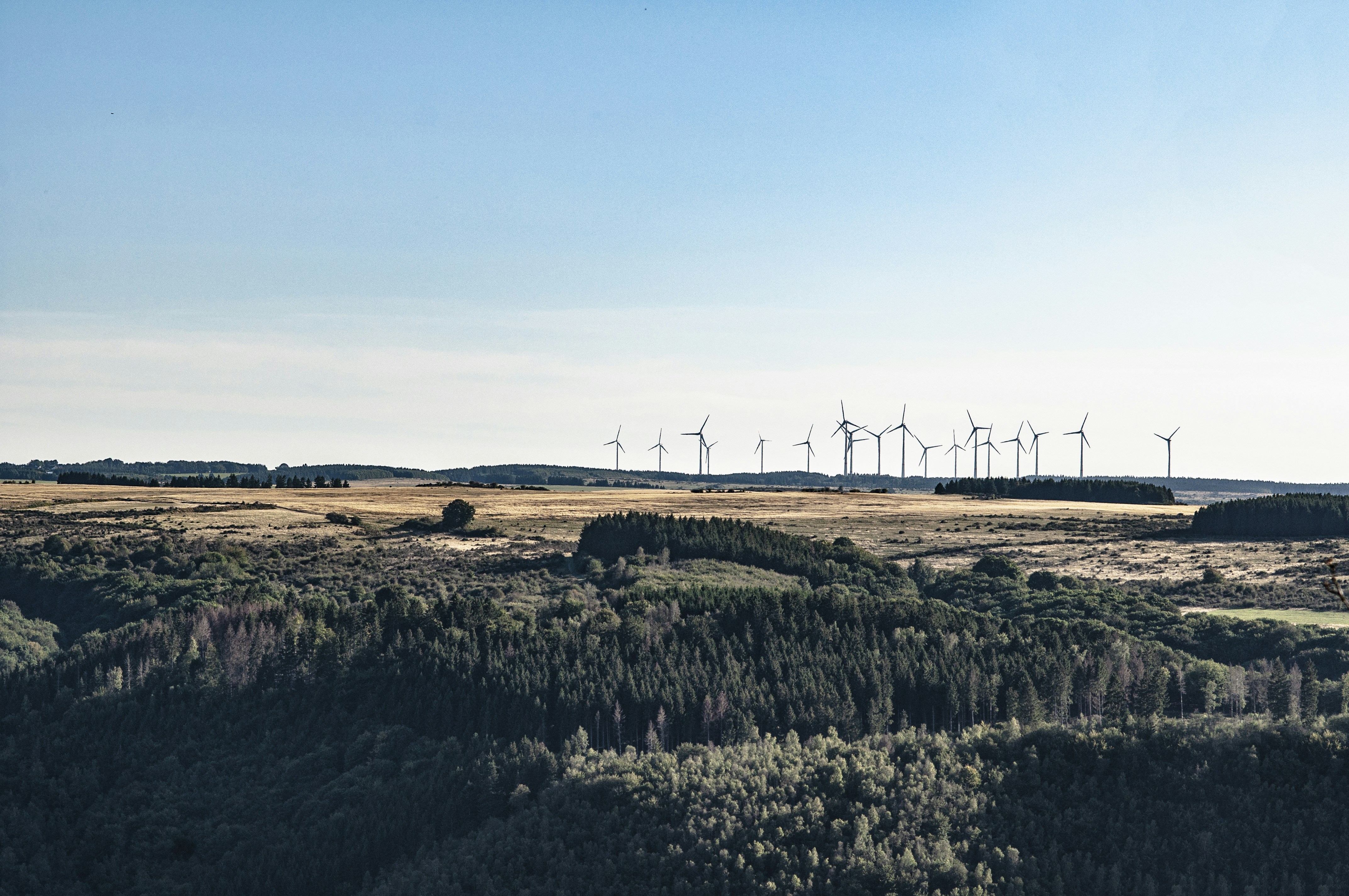
The optimistic case for AI as a climate tool is grounded in concrete applications across multiple sectors. In energy, AI systems are being used to optimise grid management — balancing supply and demand in real time as variable renewable sources like solar and wind grow. AI-driven grid optimisation can reduce energy waste by 10–15% at scale. In agriculture — which accounts for roughly 25% of global greenhouse gas emissions — AI-powered precision tools are reducing fertiliser and water use while maintaining yields. In transportation, AI-optimised logistics routing is cutting fuel consumption across commercial vehicle fleets globally.
The Governance Challenge
The risk is that AI's climate benefits don't materialise because the technology is deployed in ways that increase emissions. Fossil fuel companies are already using AI to optimise exploration and extraction — making it easier and cheaper to find and produce oil and gas at precisely the moment when global climate commitments require reducing fossil fuel production. Global AI governance — currently fragmented across the EU AI Act, US regulatory frameworks, China's approach, and India's evolving National AI Strategy — needs to converge around shared principles to guide AI toward climate-positive applications.
What the Next Five Years Will Determine
The 2025–2030 window is, by most climate science assessments, the most consequential for determining whether the world holds the 1.5°C warming threshold. AI's role in that window will be determined by decisions made now: how AI infrastructure is powered, how AI applications are governed, and whether the technology's most powerful climate applications — grid optimisation, precision agriculture, materials discovery for clean energy — receive the investment and policy support they need to scale. For investors in both AI and climate tech, 2026 represents a critical moment of convergence where some of the largest value creation opportunities of the next decade are taking shape.