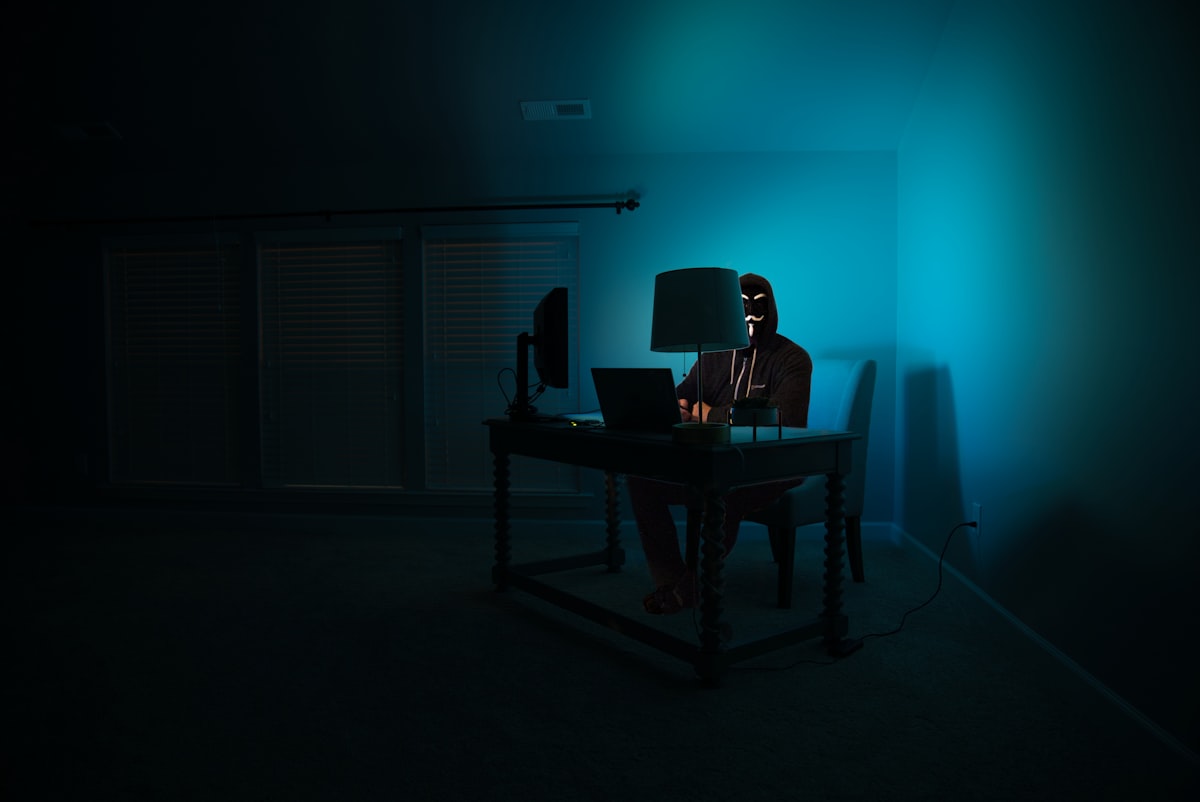
2026 is on track to be the worst year for cybersecurity on record — and we're only halfway through. From a massive government data leak to Iranian hackers remotely wiping tens of thousands of corporate devices, the attacks happening right now are more destructive, more targeted, and more geopolitically motivated than anything seen before. Here are the five breaches every American needs to understand.
The DOGE Data Breach: The Government Leak That Keeps Expanding
The DOGE (Department of Government Efficiency) data breach has emerged as one of the most consequential government leaks in US history. The breach exposed sensitive internal systems, personnel records, and documents related to active government contracts and infrastructure projects. TechCrunch's definitive "Worst Hacks of 2026" roundup identifies it as one of the most damaging security incidents of the year. Cybersecurity researchers estimate that millions of federal contractor records were exposed, creating phishing and social engineering risks that will compound for years.
The breach accelerated Congressional debate on government cybersecurity standards, with the Senate Intelligence Committee pushing for mandatory security audits of any newly created federal agency. The FBI has opened a formal investigation, but the full scope remains classified.
Cisco SD-WAN: Six Zero-Days in Six Months
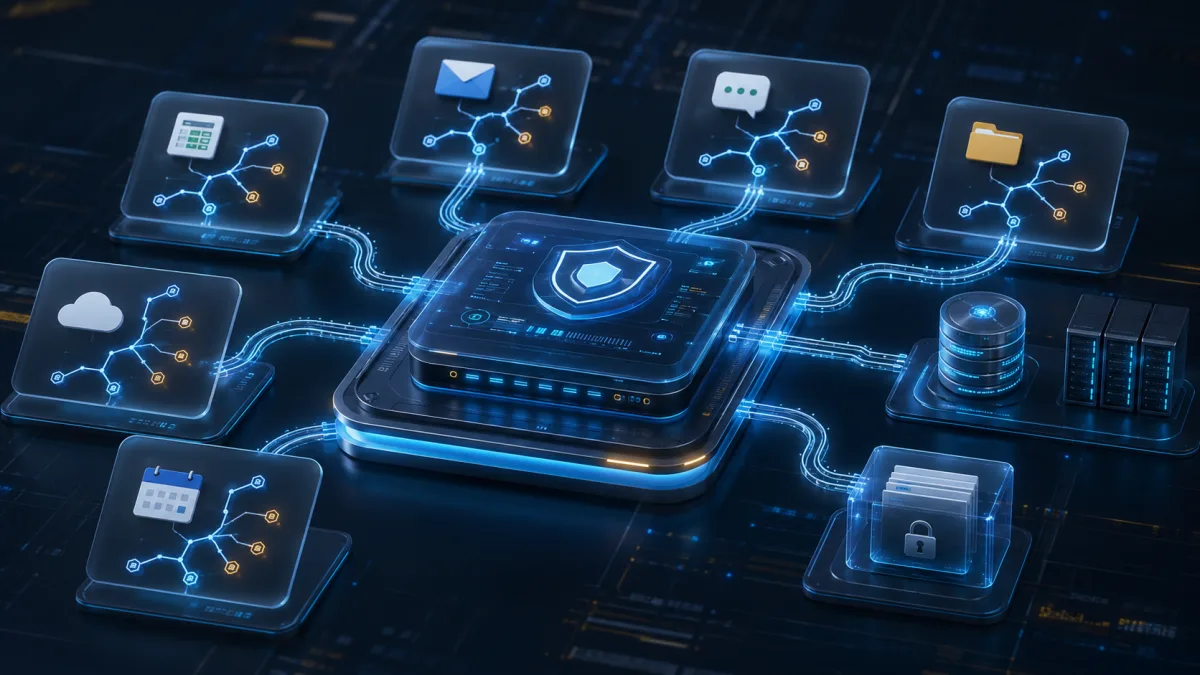
Cisco has now patched six separate zero-day vulnerabilities in its SD-WAN infrastructure in 2026 alone — the latest disclosed just this week by SecurityWeek. The pattern is alarming: security firm CrowdStrike has attributed the campaign to a Chinese state-sponsored group, though Cisco has not confirmed the attribution. SD-WAN underlies network infrastructure for thousands of US enterprises and government agencies. CISA issued an emergency directive mandating federal agencies patch within 24 hours of any new Cisco SD-WAN advisory.
Iranian Hackers Wiped 30,000 Stryker Devices in March
In March 2026, Iranian hackers executed one of the most destructive corporate attacks in recent history: remotely wiping tens of thousands of employee devices at medical technology company Stryker. This was pure destruction — no data theft, just deletion. Stryker, which makes surgical equipment used in US operating rooms, operated in manual backup mode for over a week. TechCrunch described this as "a marked shift in Iranian hacking tactics toward actively causing destructive hacks in apparent retaliation for the war." Cybersecurity insurance premiums for medical device companies jumped 40% in the quarter following the incident.
Critical Infrastructure: Energy and Water Under Attack in Europe
Russian-attributed cyberattacks on Polish water treatment plants and multiple European energy grid operators have demonstrated that civilian utilities are now legitimate cyberwar targets. The US Department of Homeland Security issued a bulletin in April 2026 warning American water utilities and energy companies to review industrial control system (ICS) security. Several US water districts have since reported suspicious network probing activity.
VSCode GitHub Token Theft: Every Developer Is at Risk
A newly disclosed vulnerability in Microsoft Visual Studio Code allows attackers to steal GitHub personal access tokens with a single click, accessing every repository associated with that account. The attack works through a malicious VSCode extension — a plugin type that millions of developers install daily. With over 50 million VSCode users globally, the attack surface is enormous. Microsoft is working on a patch but as of June 2026, the vulnerability is actively exploited in the wild.
What This Means for You
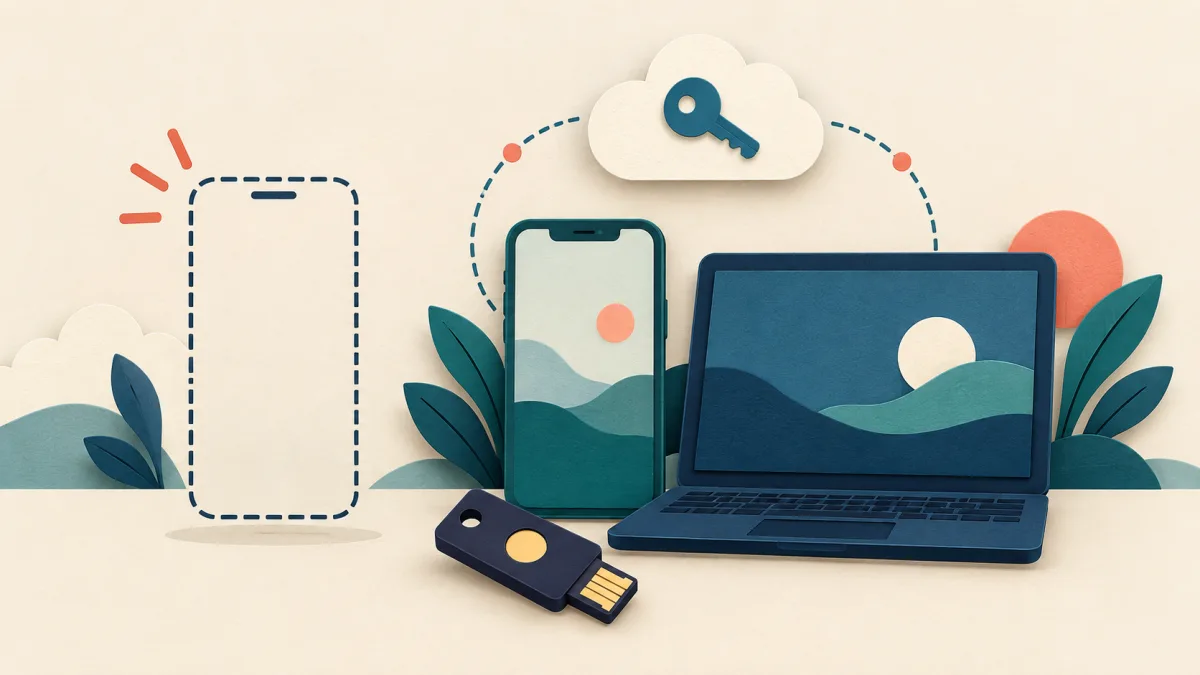
Three immediate actions: (1) If you use VSCode, audit installed extensions and remove anything not from a verified publisher. (2) Enable multi-factor authentication on every account. (3) If your organization runs Cisco SD-WAN, confirm all 2026 patches are applied. As we covered in our analysis of Microsoft's AI coding tools and the defense tech boom, security and AI are increasingly inseparable in 2026.
Frequently Asked Questions (FAQs)
Q: What was the biggest data breach in the US in 2026?
A: The DOGE data breach is the most consequential US breach of 2026, exposing millions of federal contractor records and government systems. The Stryker wiper attack (Iranian hackers destroying 30,000+ devices) was the most operationally destructive.
Q: How do I know if my data was in the DOGE breach?
A: The full scope of the DOGE breach has not been publicly disclosed. Federal employees and contractors should check with their agency's security office. Civilians can use identity theft monitoring services like LifeLock or Experian IdentityWorks as a precaution.
Q: Is Cisco SD-WAN safe to use in 2026?
A: Safe if all six 2026 patches are applied and firmware is current. Organizations running unpatched versions are at significant risk. IT administrators should consult Cisco's security advisories and CISA's SD-WAN directive.
Q: What is wiper malware and how does it work?
A: Wiper malware permanently destroys data and renders devices unusable rather than stealing information. The Iranian Stryker attack used remotely triggered wipers that activated simultaneously across 30,000+ devices, requiring full hardware reimaging to recover.
The cybersecurity landscape of 2026 is defined by a disturbing escalation: nation-states are now willing to cause real-world operational harm through cyberattacks. The line between digital and physical warfare has effectively disappeared.