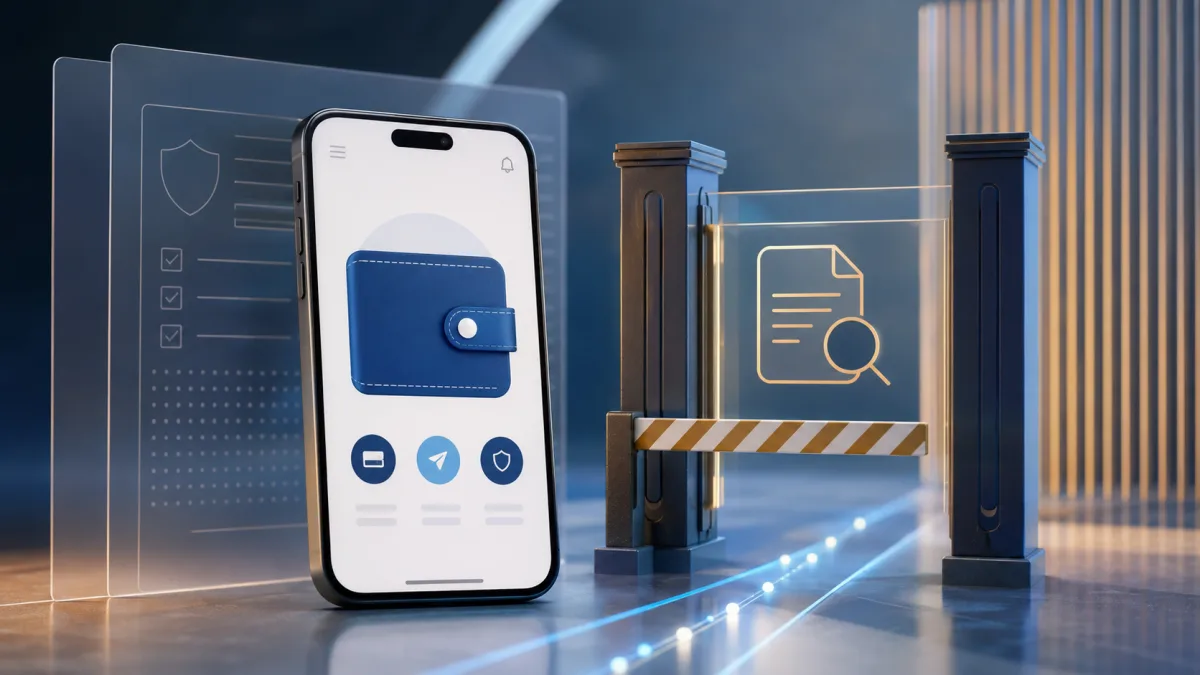
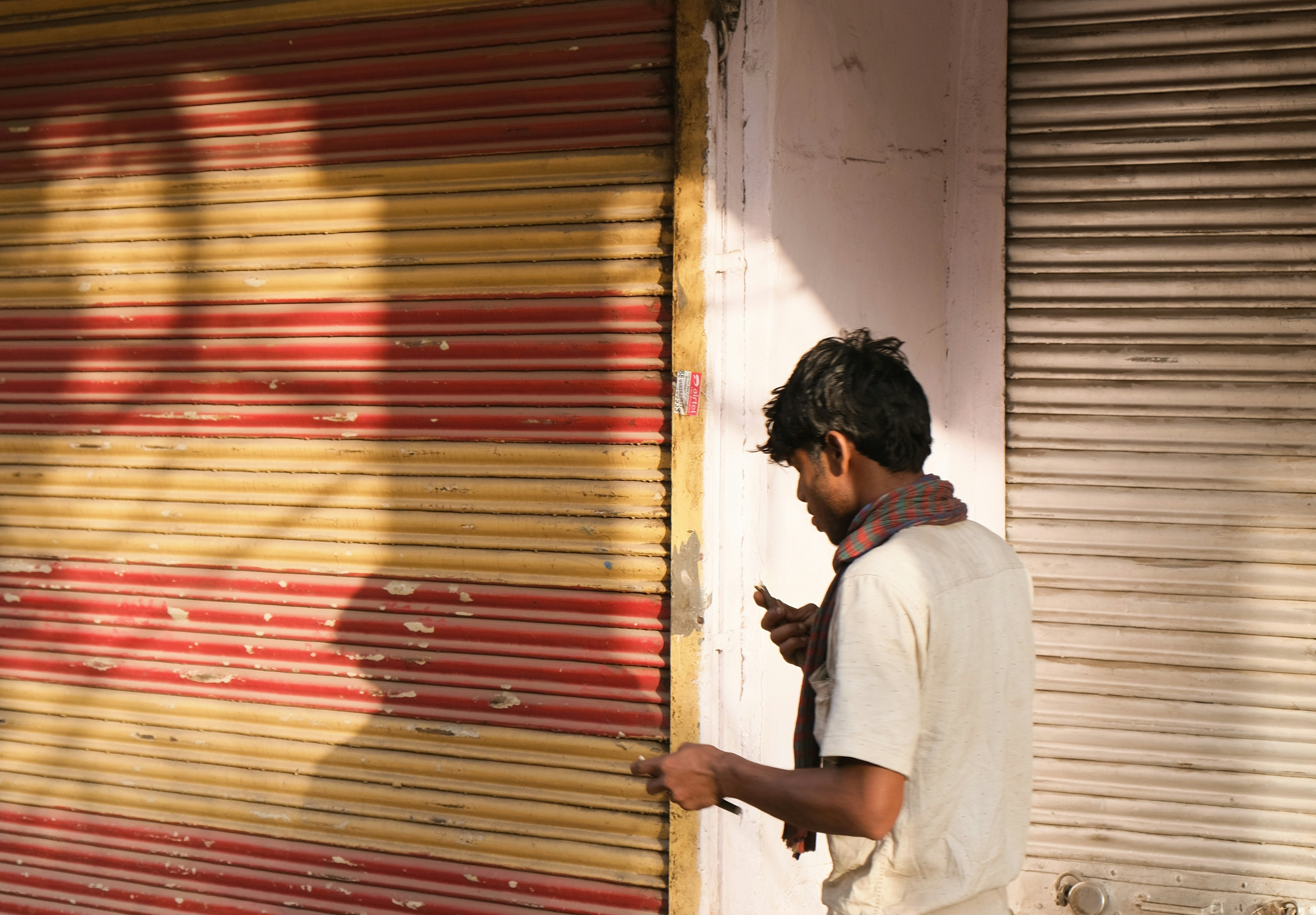
Ten years ago, most Indians still paid for groceries in cash. Today, a fruit vendor in a Tier 3 town scans a QR code on a feature phone to accept payment from a customer in Singapore. UPI — the Unified Payments Interface — has achieved something no other payments system in history has: it became the world's largest real-time payments network in a decade, in a developing economy. In January 2026, UPI processed 21.70 billion transactions in a single month, commanding a 49% share of global real-time payment transactions. Here's how this happened, what comes next, and what it means for the global fintech order.
The Numbers That Explain UPI's Dominance
UPI hit a monthly transaction volume all-time high of 2,264 crore transactions in March 2026, according to NPCI data. That's over 22 billion transactions in a single month — more than the entire annual transaction volumes of most national payment systems. In FY2025-26, UPI processed over ₹200 lakh crore in total transaction value. India now commands a massive 49% share of global real-time payment transactions, according to data from the Reserve Bank of India.
The reasons for UPI's dominance are structural: India's 1.4 billion population, the smartphone penetration explosion of 2018–2022, the government's strong nudge away from cash following demonetization in 2016, and critically, the open-architecture design that allows any licensed bank, fintech, or app to plug into UPI infrastructure. Unlike Visa or Mastercard, UPI is not owned by any company — it's a public utility, administered by NPCI, interoperable across every bank and wallet in India.
Credit on UPI: The Feature That Changes Everything in 2026
UPI began as a peer-to-peer payment rail. In 2026, it's becoming a credit delivery mechanism. Credit Line on UPI (CLOU) — which allows pre-approved credit lines to be drawn down instantly at any UPI merchant — is on track to reach 100 million active users by end of 2026, according to IBS Intelligence projections. RuPay credit cards on UPI already have widespread adoption, enabling credit payments at virtually every UPI-accepting merchant in India.
The before/after comparison is significant. Before CLOU, access to credit in India required a bank branch visit, a credit card (which only ~4% of Indians have), or a high-interest informal lender. With CLOU, a pre-approved credit line from any NBFC or bank can be drawn down via a QR code scan at any of India's 100 million+ UPI merchant points. The financial inclusion implications are profound: India is creating a credit infrastructure for hundreds of millions of first-time borrowers, bypassing the traditional credit card model entirely.
UPI Goes Global: The Geopolitical Play
UPI is now operational or linked with payment systems in 10+ countries including UAE, Singapore, Bhutan, Nepal, Sri Lanka, France, Mauritius, and Qatar. The India-UAE corridor alone processes tens of thousands of daily remittance transactions at a fraction of the 5–7% fees charged by traditional services like Western Union. The RBI is actively pursuing UPI linkage agreements with Southeast Asian nations through ASEAN payment connectivity initiatives.
The geopolitical dimension is increasingly significant. India's push to expand UPI internationally is a strategic move to reduce dependence on Visa and Mastercard's dollar-denominated networks, to give Indian payment infrastructure global reach, and to establish India as a payments technology exporter. Several African nations have approached NPCI about licensing UPI-equivalent infrastructure. If that happens, India's payment technology exports become a significant soft power instrument.

The RBI's Security Upgrade and What It Means for Users
Effective April 1, 2026, the Reserve Bank of India mandated two-factor authentication for all digital payments above a certain threshold, adding biometric or secure token verification alongside OTPs. The move follows a 34% year-over-year increase in UPI-related fraud attempts in FY2025-26, driven by AI-generated phishing and voice cloning attacks. The 2FA requirement adds friction but substantially reduces the most common attack vectors targeting Indian UPI users.
What This Means for You
If you're an Indian consumer or merchant, the Credit Line on UPI feature is the most important development to understand right now. Check whether your bank has enabled CLOU — HDFC, SBI, Axis, and ICICI have all rolled out pre-approved credit lines accessible via UPI. For Indian fintech founders, the credit infrastructure layer on top of UPI is the biggest greenfield opportunity in Indian fintech since UPI itself launched. For international businesses, UPI's global expansion means Indian payment rails are no longer only relevant for the Indian market.
Frequently Asked Questions (FAQs)
Q: How many transactions does UPI process per month in 2026?
A: UPI processed 21.70 billion transactions in January 2026 and hit an all-time monthly high of 2,264 crore (22.64 billion) transactions in March 2026. India commands 49% of all global real-time payment transactions through UPI, according to NPCI and RBI data.
Q: What is Credit Line on UPI (CLOU) and how does it work in India?
A: Credit Line on UPI allows banks and NBFCs to offer pre-approved credit lines that customers draw down instantly at any UPI merchant point via standard QR code scan. It turns UPI into a credit delivery mechanism without requiring a physical credit card, enabling instant credit access for hundreds of millions of Indians previously excluded from formal credit.
Q: Is UPI available outside India?
A: Yes. UPI is currently linked with payment systems in the UAE, Singapore, France, Bhutan, Nepal, Sri Lanka, Mauritius, and Qatar. Indian travelers can make UPI payments in these countries, and the NRI diaspora can use UPI for low-cost remittances to India.
Q: Why did RBI add two-factor authentication to UPI in 2026?
A: The RBI mandated enhanced 2FA for digital payments effective April 1, 2026, following a 34% increase in UPI-related fraud attempts in FY2025-26. AI-driven phishing and voice cloning attacks had become increasingly effective against UPI users, requiring stronger verification beyond OTPs alone.
UPI's global expansion is part of India's broader fintech ambition — for more on the infrastructure challenges India faces in AI, see our analysis of India's sovereign AI funding gap. For the global context of India's payment leadership, our coverage of global technology governance trends situates India's payment leadership in the larger geopolitical picture.