
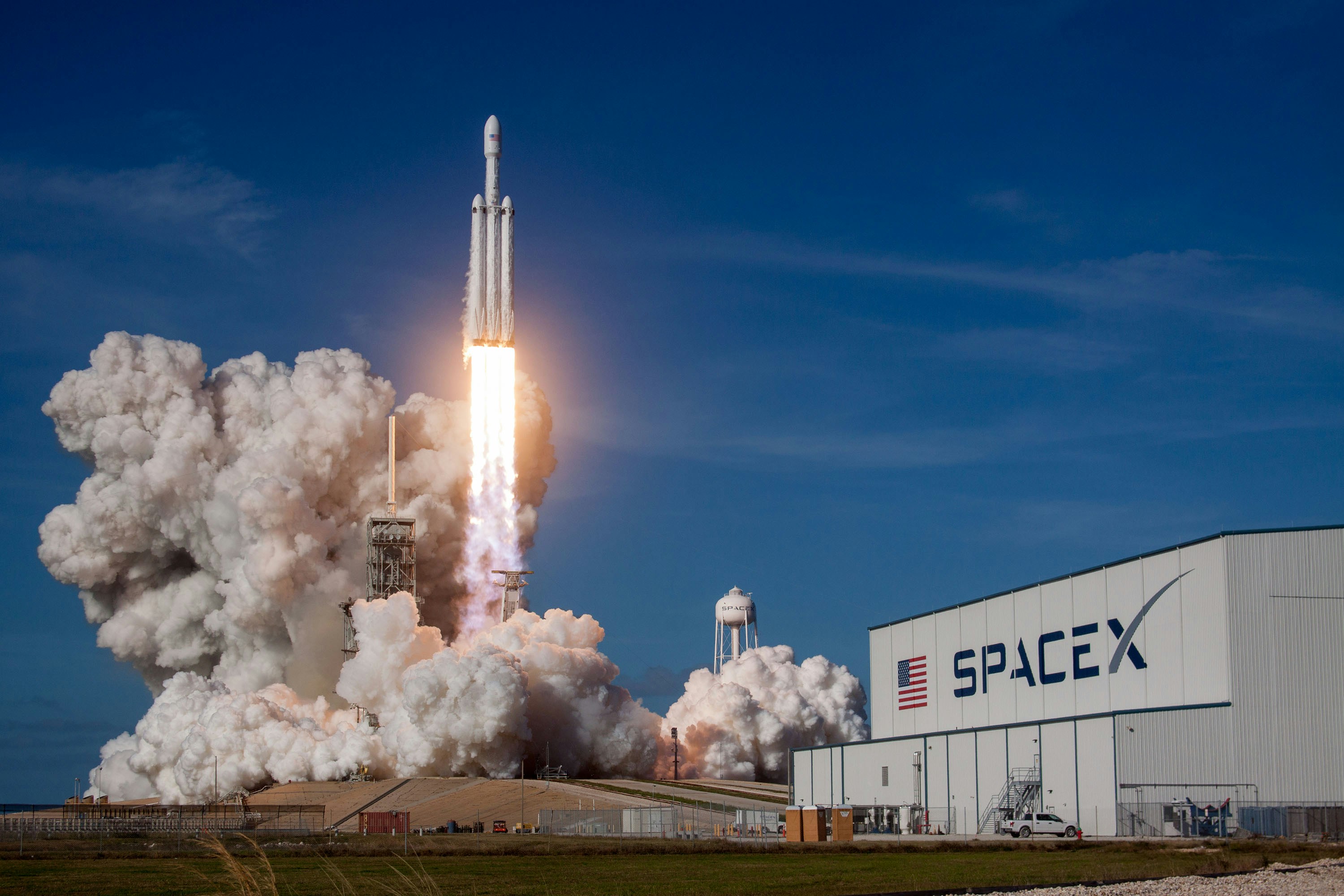
The Most Powerful Rocket Ever Flown Just Got More Powerful
After a scrubbed attempt on Thursday, SpaceX's Starship V3 lifted off on Friday, May 23, 2026, marking a genuine milestone in the history of human spaceflight. The V3 configuration is designed to deliver 100 metric tons of payload to Earth's low orbit in a fully reusable configuration — more than double the lift capacity of any rocket currently in operation. The 12th integrated Starship test flight was conducted from SpaceX's Starbase facility in Boca Chica, Texas, watched by an estimated 200,000 spectators.
Why 100 Metric Tons to Orbit Changes Everything
The Saturn V rocket that carried Apollo astronauts to the Moon could deliver approximately 130 metric tons to low Earth orbit — at a cost estimated at over $1 billion per launch in today's dollars, with no reusability. Starship V3, if SpaceX achieves its target pricing, could deliver 100 metric tons for between $10 million and $100 million per flight, with the booster returning to its launch mount for reuse within hours. This economics equation is what has made Starship central to every serious space initiative on Earth today.
NASA's Moon Base Announcement
On May 26, NASA held a news conference unveiling its most detailed plans yet for a sustained human presence on the lunar surface. The agency outlined a phased program building from the Artemis IV crewed lunar landing — currently scheduled for early 2028 using a human-rated Starship as the lander — toward a semi-permanent research outpost near the lunar south pole by the early 2030s. The south pole location is chosen for proximity to permanently shadowed craters containing water ice, which can be converted into rocket propellant, drinking water, and breathable oxygen.
The Commercial Space Race Heats Up
SpaceX isn't operating in a vacuum. Blue Origin's New Glenn rocket achieved its first fully successful orbital mission in March 2026, and the company is developing its Blue Moon lunar lander as a direct competitor to Starship for NASA contracts. United Launch Alliance's Vulcan Centaur has now completed four successful flights. Meanwhile, a SpaceX IPO is being widely discussed in financial circles, potentially making SpaceX a publicly traded company by 2027 or 2028 — which would represent another historic market event in the same year as OpenAI's potential listing.
The 34th ISS Resupply Mission
In parallel with the Starship test, SpaceX's Falcon 9 completed the 34th commercial resupply mission to the International Space Station, lifting off with a Dragon cargo capsule packed with new scientific experiments. These missions have become so routine that they rarely make headlines — a fact that itself represents one of the most remarkable achievements in commercial spaceflight history.
What Comes Next for Starship
With V3 proving its capabilities, SpaceX will now focus on increasing launch cadence and working toward full commercial operations. The company aims to conduct dozens of Starship flights before the end of 2026, progressively lowering per-launch costs and building the operational track record that NASA, the DoD, and commercial customers require before committing payloads to any new launch vehicle. The era of truly cheap, heavy-lift orbital access is now closer than it has ever been.