
The Moment India Became a Sovereign AI Power
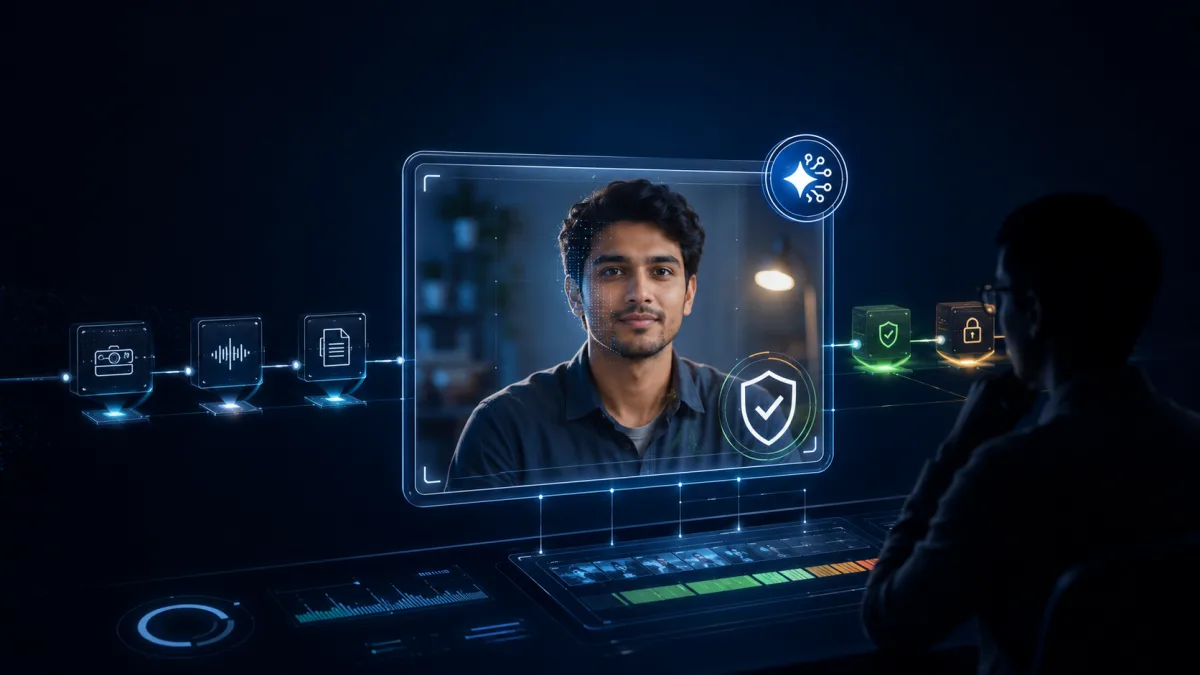
For years, India's technology sector has been defined by its services exports — the engineers at Infosys, TCS, Wipro, and HCL who built software infrastructure globally but rarely owned the models or platforms they deployed. In 2026, that narrative is changing rapidly, and no company represents the shift more clearly than Sarvam AI, which has closed a $300-350 million funding round at a valuation of $1.5 billion, making it India's first sovereign AI unicorn.
The round is led by Bessemer Venture Partners, with participation from Nvidia, Amazon, and Prosperity7 Ventures. Nvidia's participation is particularly significant: the chip giant has been selective about which model-building startups it backs directly, and Sarvam's inclusion suggests Nvidia sees the Indian-language AI market as a priority commercial opportunity.

What Makes Sarvam Different: Models Trained in India, for India
Sarvam AI's core proposition is large language models built from scratch in India, trained primarily on Indian-language data, and optimized for the linguistic, cultural, and regulatory context of the Indian market. At the India AI Impact Summit in February 2026, Sarvam unveiled two new LLMs with 30 billion and 105 billion parameters — trained entirely within India using domestic compute infrastructure.
The India AI Market: A Rs 2.5 Lakh Crore Opportunity
India's AI market is projected to reach approximately $30 billion by 2027, driven by enterprise adoption across BFSI, healthcare, e-commerce, and government services. Sarvam's multilingual models support all major Indian languages including Hindi, Tamil, Telugu, Kannada, Bengali, and Marathi, deployed across NPCI payment infrastructure, healthcare diagnostics, and government citizen services chatbots.

Krutrim and the Competitive Landscape
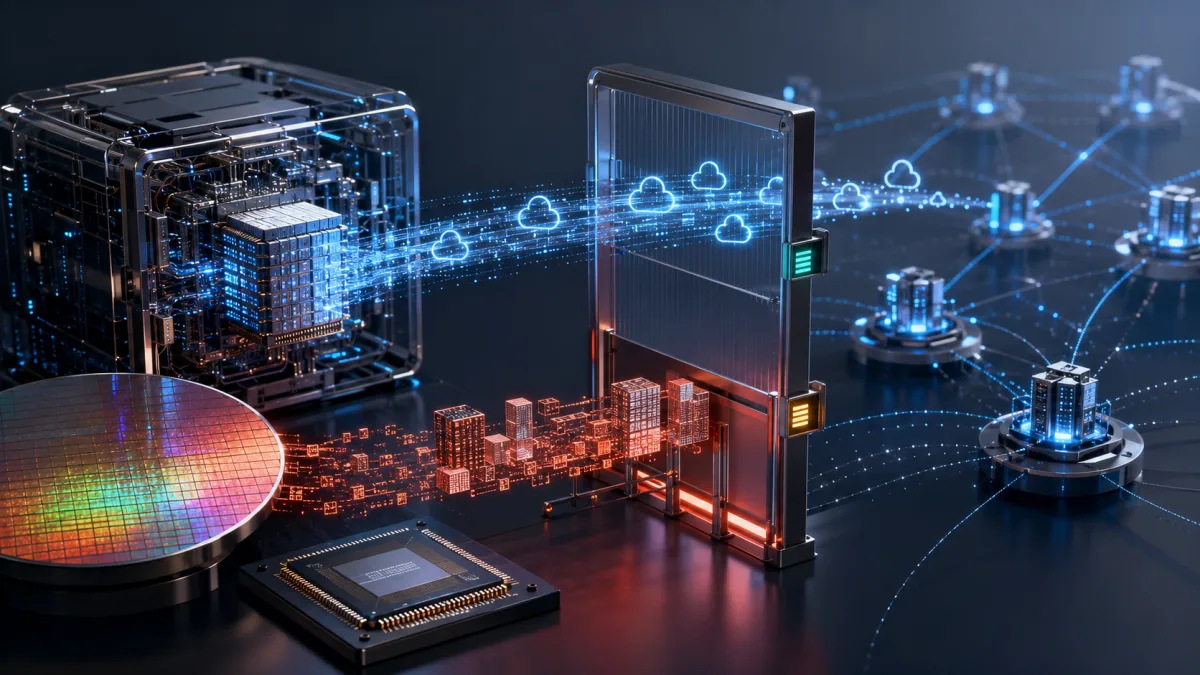
Sarvam is not alone in the Indian sovereign AI race. Krutrim, founded by Ola's Bhavish Aggarwal, has pivoted from consumer-facing AI models toward cloud infrastructure, positioning itself as an AI compute provider. Its GPU clusters are now available to third-party AI developers who need Indian-jurisdiction compute for data sovereignty reasons. The divergence between Sarvam (model-first) and Krutrim (infrastructure-first) may ultimately be complementary rather than competitive.
What India's AI Boom Signals for NRIs
For Non-Resident Indians considering returning to India's technology sector, Sarvam's rise represents a compelling pull factor. The AI Summit 2026, bringing 600+ founders and investors to Bengaluru on May 28, is a clear signal that India's AI ecosystem has reached sufficient density and momentum to sustain professional careers at the frontier — working on payments inclusion, agricultural productivity, and vernacular language AI problems that matter deeply.