

A Rare Admission From Silicon Valley's Most Influential CEO
Silicon Valley executives do not often admit they were wrong in public, and almost never about predictions touching on job displacement. When OpenAI CEO Sam Altman told an audience in Sydney on May 26, 2026 that he had been wrong about AI's near-term impact on white-collar employment, it was a genuinely unusual moment.
Altman's earlier prediction had been that rapid deployment of AI systems capable of performing knowledge work would produce significant and rapid disruption to white-collar employment categories: legal research, financial analysis, content creation, customer service, software development. He framed this as both inevitable and near-term.

What Altman Said — and What He Walked Back
At the Sydney event, Altman told the audience that the near-term social and economic impacts of AI have been more moderate than he predicted. While AI tools have unquestionably changed how knowledge workers operate — accelerating research, automating repetitive writing tasks, and enabling smaller teams to accomplish more — the wholesale elimination of white-collar job categories has not materialized at the speed or scale he once described.
His recalibration aligns with emerging economic research. Studies published in early 2026 found that while AI tools have made individual workers significantly more productive, the dominant organizational response has been to use productivity gains to do more work with existing teams — rather than reduce headcount proportionally.
The Reality: 93,000+ Tech Jobs Cut Globally in 2026
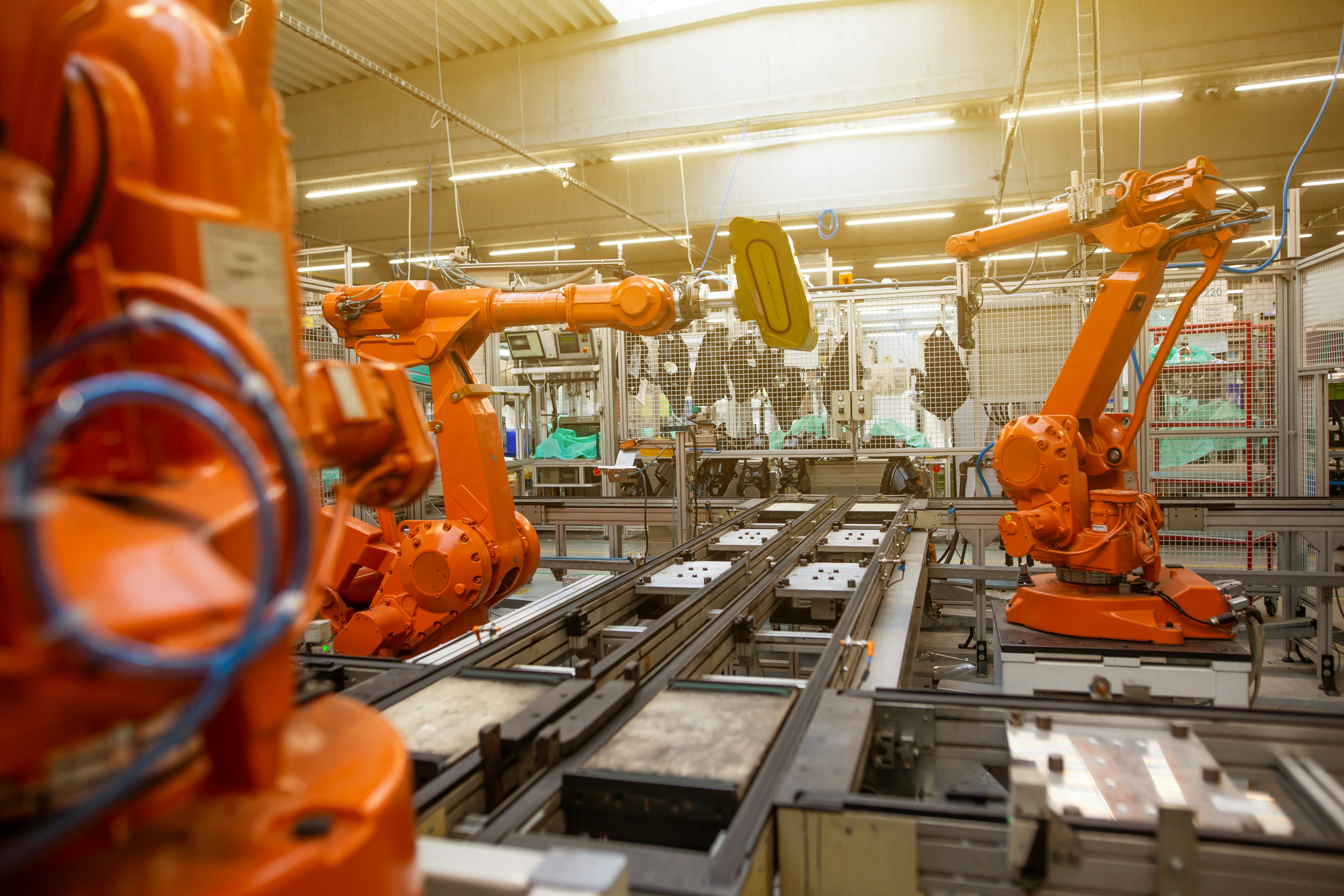
Altman's admission is complicated by the fact that the technology sector has shed more than 93,000 jobs globally in 2026 — one of the highest annual totals on record. Companies from Intel and Cisco to Dell have announced significant workforce reductions, many explicitly citing AI-driven efficiency. What the data suggests is that AI is having differentiated impacts: in IT services and business process outsourcing, AI-driven automation is contributing to meaningful headcount reductions in high-volume, low-complexity roles.
The Jobs AI Is Creating
The more nuanced picture from 2026's labor market data is one of occupational restructuring rather than net job destruction. AI is eliminating some roles while creating others: AI trainers, prompt engineers, AI integration specialists, and AI safety evaluators are among the fastest-growing job categories in the US. Global Capability Centres in India are booming, with companies including Walmart, JPMorgan, Goldman Sachs, and Apple actively expanding in Bengaluru, Hyderabad, and Pune.
What This Means for Workers
For workers in knowledge-intensive fields, Altman's recalibration is reassuring in the short term but offers no grounds for complacency. The same AI capabilities that have not yet caused the anticipated white-collar displacement wave continue to advance rapidly. Workers upskilling in AI literacy now will be better positioned to navigate that transition. Altman was wrong about the timing. The underlying direction of travel has not changed.