
Nvidia just entered a market worth $200 billion — the CPU market — and it did so by making the argument that every modern PC should be an AI agent. The RTX Spark, unveiled at Computex 2026, is not an incremental GPU upgrade. It's a complete rethinking of what a personal computer is supposed to do, packing 1 petaflop of AI performance, a 20-core Arm-based CPU, and up to 128GB of unified memory into a platform designed to run frontier-scale AI models without a cloud connection. No subscription. No latency. No data leaving your machine.
The Technical Specs That Make RTX Spark Unprecedented
The RTX Spark superchip combines an Nvidia Blackwell RTX GPU with up to 6,144 Blackwell RTX cores alongside a 20-core Arm-based CPU co-designed with MediaTek. The unified memory architecture supports up to 128GB — critical for AI workloads that require keeping large models in memory. The system delivers 1 petaflop of AI performance, enabling 120-billion-parameter LLMs with up to 1 million tokens of context to run entirely on-device.
According to Tom's Hardware's Computex 2026 coverage, the platform can also render 3D scenes over 90GB in size, edit 12K video, generate 4K AI video locally, and play AAA games at 1440p above 100 fps — all from the same chip. "RTX Spark brings together 30 years of NVIDIA innovation to slim Windows laptops with all-day battery life," said Jensen Huang at the Computex keynote. The platform arrives in laptops from ASUS, Dell, HP, Lenovo, Microsoft Surface, and MSI this fall.
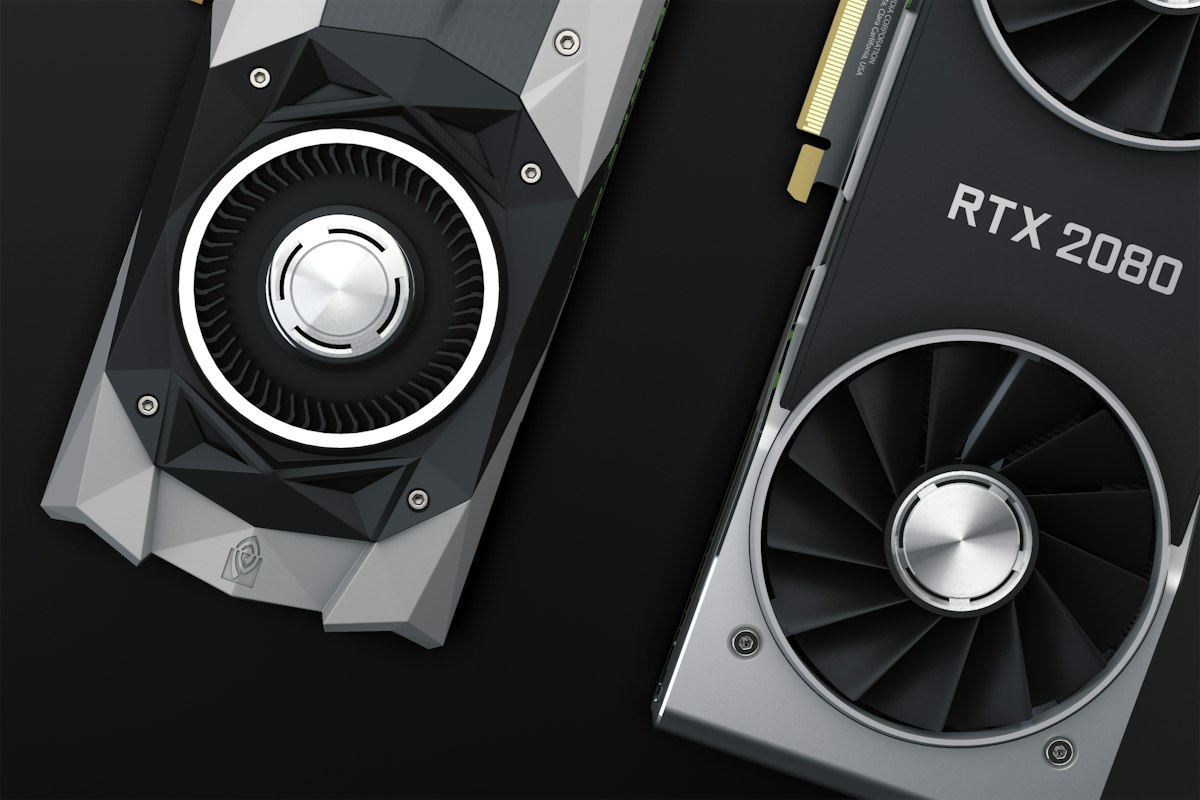
Why Nvidia Is Really Entering the $200B CPU Market
Nvidia's traditional business is selling GPUs to data centers, enterprises, and gamers. RTX Spark represents a strategic expansion into the consumer CPU market dominated by Intel and AMD. The reason: AI at the edge. The old model sent user data to the cloud for AI inference. The new model runs AI on the device itself — privately, without latency, without subscription costs.
The comparison between previous AI PC attempts and RTX Spark is stark. Intel's Meteor Lake NPU (2023) delivered roughly 34 TOPS of AI performance. RTX Spark delivers 1 petaflop (1,000 TOPS) — orders of magnitude more powerful, with 128GB unified memory enabling models that no previous consumer PC could run. This connects directly to our analysis of AI agents displacing enterprise workers — if 88% of organizations are embedding AI agents, those agents need to run somewhere, and local processing solves data privacy issues cloud-only solutions cannot.
What RTX Spark Means for Developers and Creators
For AI developers, 128GB of unified memory removes the biggest local development friction. Developers can experiment with models previously requiring an A100 datacenter GPU costing $20,000+. For creators, generating 4K AI video locally and editing 12K footage without cloud rendering is a workflow transformation. Statista's 2026 report on the global video content creation market projects it at $47 billion — every player in that market is a potential RTX Spark customer.
When Does RTX Spark Launch and What Will It Cost?
RTX Spark laptops and compact desktops launch in fall 2026 — most likely October-November. Over 30 laptop models and approximately 10 desktop variants are expected at launch. Pricing has not been officially confirmed, but entry-level configurations may start below $2,000. As we covered in our analysis of Apple's WWDC 2026 AI announcements, the battle for AI-native computing is a three-way race between Apple, Microsoft/Nvidia, and Google — RTX Spark is Microsoft and Nvidia's strongest opening move.
What This Means for You
If you're a developer building AI applications, wait for RTX Spark benchmarks before buying any new laptop this fall — this platform could eliminate your cloud inference costs for many workloads. If you're a creator, local generation eliminates subscription fees and latency. If you're a business IT buyer, evaluate local AI PC strategies now — on-device AI processing solves data privacy issues that cloud-based AI assistants cannot.
Frequently Asked Questions (FAQs)
Q: What is the Nvidia RTX Spark?
A: RTX Spark is Nvidia's AI PC superchip announced at Computex 2026 combining a Blackwell RTX GPU with a 20-core Arm CPU, up to 128GB unified memory, and 1 petaflop of AI performance — enabling 120B-parameter language models to run entirely on-device without cloud connectivity.
Q: When will Nvidia RTX Spark laptops be available?
A: RTX Spark-powered laptops and compact desktops are expected in fall 2026 from ASUS, Dell, HP, Lenovo, Microsoft Surface, and MSI. No confirmed date or pricing has been announced.
Q: How is RTX Spark different from current AI PCs with NPUs?
A: Current AI PCs with Intel NPUs deliver 34-45 TOPS. RTX Spark delivers 1 petaflop with 128GB unified memory — enabling full frontier-scale LLMs locally, which NPU-based AI PCs cannot do.
Q: Can RTX Spark run open-source AI models locally?
A: Yes. Open-weight models like Meta's Llama and Mistral at up to 120B parameters can run fully on-device with RTX Spark. Commercial models like Claude and ChatGPT run on proprietary cloud infrastructure.
Q: Is RTX Spark good for gaming as well as AI?
A: Yes. RTX Spark delivers AAA gaming at 1440p above 100fps with full DLSS, G-SYNC, and Reflex support — making it a dual-purpose platform for AI workloads and high-performance gaming.
Nvidia's RTX Spark is the most consequential PC platform announcement since the original iPhone made the PC seem irrelevant. The ability to run 120B-parameter AI models locally will unlock applications nobody has built yet. The fall 2026 launch can't come soon enough. Are you planning to get an RTX Spark system? Drop your use case in the comments.