America's AI Companies Now Answer to Washington
In a development that would have seemed extraordinary even two years ago, Microsoft, Google, and Elon Musk's xAI have formally agreed to provide the United States government with early access to their most advanced artificial intelligence models — before public release — for the purposes of national security testing and risk evaluation. The arrangement was announced in early May 2026 and confirmed by senior officials from both the Trump administration and the companies involved.
What "Early Access" Actually Means
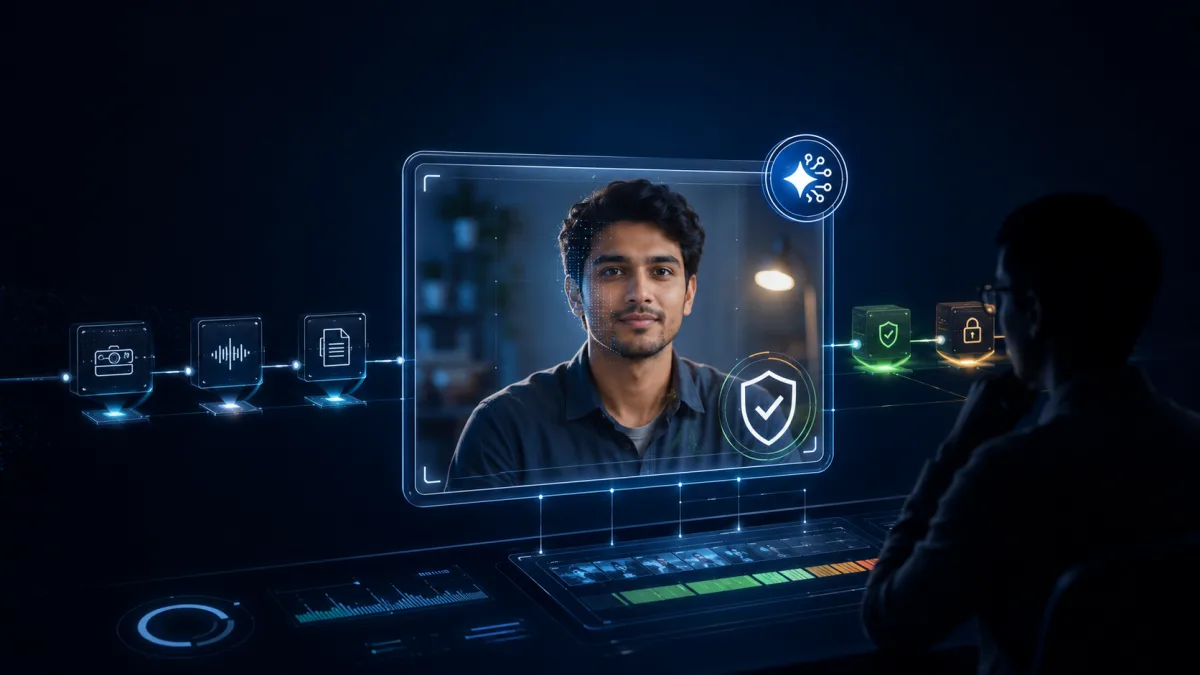
Government evaluators — primarily from the Department of Defense, the intelligence community, and the AI Safety Institute within NIST — will receive pre-deployment access to frontier AI models. This allows officials to conduct red-team exercises, test for national security vulnerabilities, identify misuse scenarios, and assess whether any model poses unacceptable risks before reaching 500 million users. Crucially, the government does not have power to block a model's release under the current voluntary framework.
xAI's Surprising Participation
Perhaps the most unexpected aspect of the announcement was xAI's inclusion. Elon Musk's AI company — which has positioned itself as a challenger to what Musk has called the "woke AI" agenda of competitors — agreeing to government model testing represents a notable strategic shift. xAI's Grok models are currently the third most widely deployed frontier AI system in the United States, making their inclusion in any meaningful oversight framework highly significant for the broader industry.
Implications for AI Antitrust
The deal has drawn scrutiny from consumer advocates and members of Congress who argue that a voluntary testing arrangement between the government and the three largest AI developers creates an implicit barrier to entry for smaller competitors. If federal agencies build familiarity and trust with Microsoft, Google, and xAI models specifically, government procurement will naturally favor those platforms — disadvantaging Anthropic, Meta AI, Mistral, and other capable but less politically connected model providers.
What OpenAI and Anthropic Are Doing
Notably absent from the initial announcement were OpenAI and Anthropic. Both companies have separate and longer-standing arrangements with the US government — OpenAI through its partnership with Microsoft and Anthropic through direct government contracts and its AI Safety Institute consortium membership. Their absence from this specific announcement reflects different negotiating tracks rather than opposition to oversight frameworks.
The Bigger Picture: AI Governance in 2026
This arrangement sits within a broader, rapidly evolving landscape of AI governance. The European Union's AI Act is fully in force as of 2026, imposing mandatory pre-market conformity assessments for high-risk AI systems. China has its own comprehensive regulatory framework. The US has historically preferred voluntary commitments and market mechanisms — and this deal continues that tradition, but with more teeth than anything that came before. Whether voluntary cooperation can keep pace with the speed of AI capability advancement remains the central open question of AI policy in 2026.