India's Startup Ecosystem Enters a New Phase: Quality Over Quantity
India's startup funding landscape in Q1 2026 tells a story of a maturing ecosystem navigating a deliberate recalibration. The numbers: $2.3 billion raised across the quarter, down 26% year-on-year, with zero $100 million-plus deals recorded for the first time since 2022. At first glance, these figures suggest a slowdown. The more nuanced reading is that India's venture capital market has graduated from its frothy 2021-2022 era to a discipline-driven phase where fundamentals matter more than narrative.
The data comes from the Inc42 Indian Tech Startup Funding Report Q1 2026. The headline numbers mask significant variation: while late-stage mega-deals dried up, early and growth-stage activity remained robust, and AI dominated deal count by sector for the second consecutive quarter.
AI Dominates by Deal Count
Artificial intelligence led all sectors by number of investment deals in Q1 2026. The character of these deals is important: most are at the seed and Series A stages, backing application-layer companies building AI products for specific Indian verticals — healthcare, agtech, fintech, logistics, and edtech. Indian-language AI, voice-first interfaces for semi-literate users, and offline-capable AI for low-connectivity rural markets are all areas where Indian startups have inherent advantages over global competitors, attracting both domestic and international capital.
Why the Mega-Deals Dried Up
The absence of $100 million-plus deals in Q1 2026 requires explanation. The most significant factor is global liquidity: US interest rates remain elevated relative to 2021-2022 lows, raising the cost of capital for global VCs with India allocations. When a US institutional investor can earn 4-5% risk-free returns, the bar for allocating to a high-risk emerging market startup rises correspondingly. The secondary factor is valuation recalibration: the 2021-2022 unicorn boom inflated valuations for growth-stage companies in India, and many have not yet demonstrated the revenue trajectory needed to justify further rounds at elevated prices.
Sectors and Geographies: Who's Raising?
Beyond AI, sectors attracting investment include B2B SaaS (particularly companies serving SMBs with AI-native tools), climate tech (driven by Indian corporate ESG commitments and government incentives), and healthtech (AI diagnostic tools for tier-2 and tier-3 cities showing particular investor interest). Bengaluru remains India's dominant startup hub, followed by Delhi-NCR and Mumbai, but Hyderabad and Chennai are growing in share, particularly for deep tech and enterprise software.
The DeepTech Surge: 37% of Funding
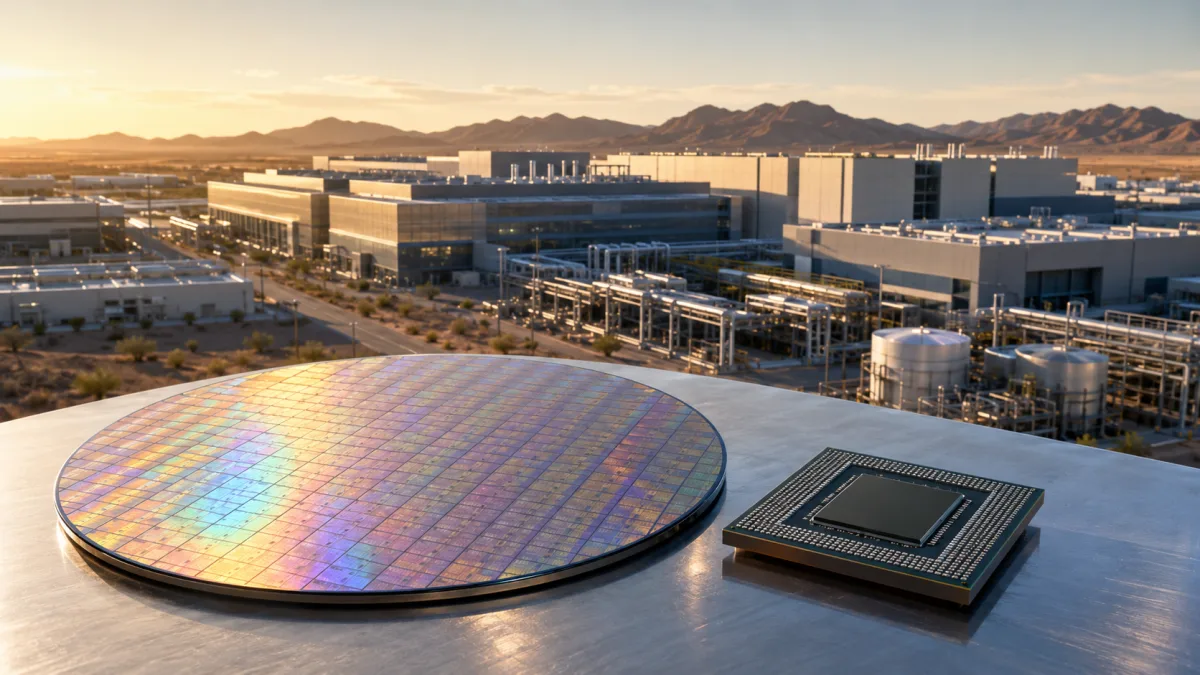
One of the most encouraging signals in Q1 2026 data is the 37% share of total funding going to deep tech companies — startups in semiconductors, defence tech, space tech, materials science, and advanced manufacturing. This represents a significant shift from the software-first orientation of India's startup ecosystem historically. The shift reflects multiple tailwinds: the government's Production-Linked Incentive (PLI) schemes for electronics and semiconductors, ISRO's commercialisation through IN-SPACe catalysing a small-satellite startup ecosystem, and growing demand from Indian defence procurement for indigenous technology.
Looking Ahead to Q2 and the Rest of 2026
Several factors suggest Q2 2026 could see a pickup in funding activity. The Inc42 AI Summit held in Bengaluru in late May 2026 brought together 600+ founders and investors, indicating strong dealmaking appetite. The NITI Aayog's projection that AI adoption could raise India's annual GDP growth from 5.7% to 8% has given institutional investors a macro narrative that justifies India allocation. Watch for announcements from Sarvam AI, Zepto, and a handful of Series B companies in advanced fundraising discussions — a $100 million-plus round from any of these would signal a return of late-stage confidence and trigger a cascade of follow-on investments.