The Numbers That Signal a New Chapter
India's AI startup ecosystem has crossed a threshold that even optimistic observers would have hesitated to predict two years ago. In Q1 2026 alone â just 90 days â Indian AI startups collectively raised approximately $1.48 billion (roughly â¹13,350 crore), representing 38% of all Indian startup funding in the quarter. With over 4,500 AI startups now operating across the country and the government's IndiaAI Mission providing structural policy support, India is not merely participating in the global AI boom. It is carving out a distinct, ambitious position within it.
The landmark deal that defined Q1 was Neysa's $1.2 billion Series B â the largest single funding round in Indian AI history. But beyond the headline number, the breadth of funding activity across stages, sectors, and cities tells the story of an ecosystem that has moved from boutique to broad-based.
Neysa: India's Answer to CoreWeave
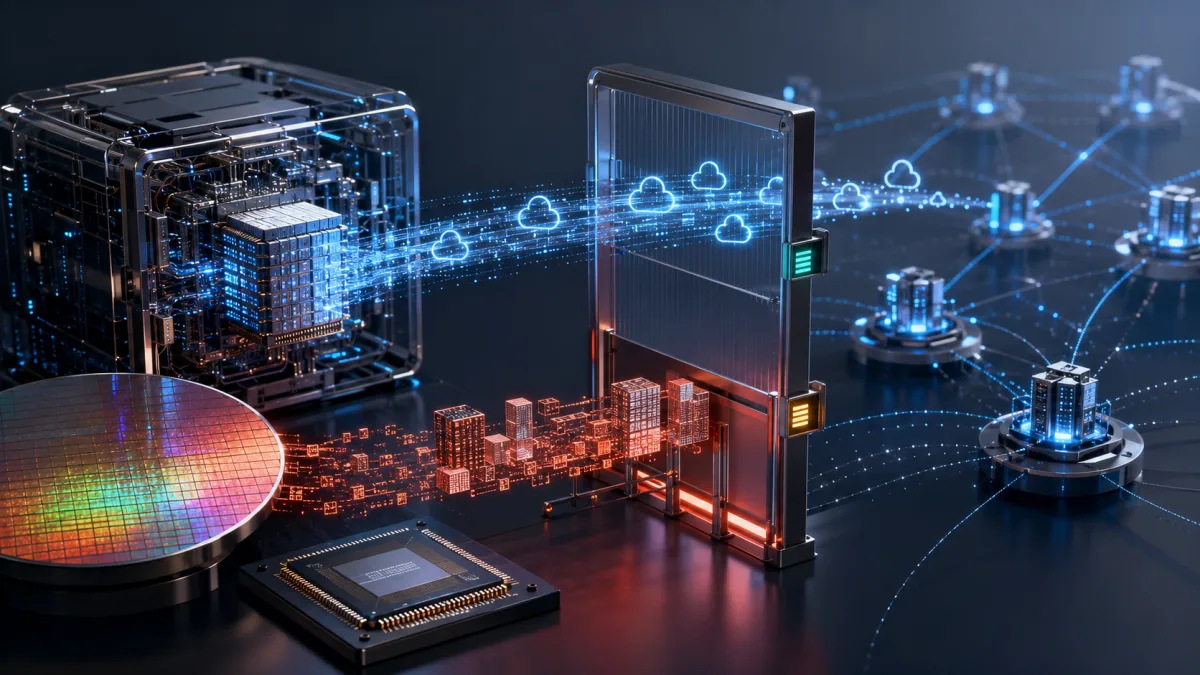
To understand Neysa's significance, it helps to understand what CoreWeave is. The US-based GPU cloud infrastructure company raised billions to build specialised compute capacity for AI workloads. Neysa is building the Indian equivalent â GPU-accelerated cloud computing specifically optimised for AI training and inference workloads. Its data centres are located in India, giving customers data residency compliance while offering cost structures that undercut Western hyperscalers. The $1.2 billion Series B validates the thesis that India's AI infrastructure market is large enough to support a dedicated compute provider.
Sarvam AI and the Language AI Wave
Sarvam AI's $53 million Series A funding, led by Lightspeed Venture Partners with participation from Peak XV Partners and Khosla Ventures, represents a bet that the future of AI in India requires models purpose-built for Indian languages. Sarvam has developed multilingual AI covering several major Indian languages â Hindi, Tamil, Telugu, Kannada, Bangla and others â with performance that exceeds general-purpose Western models on Indian language tasks. The commercial opportunity is vast: India has approximately 600 million internet users, of whom a significant percentage are more comfortable in regional languages than English.
The Unicorn Factory Accelerates
India's unicorn machine is running at full speed in 2026. Juspay became India's first new unicorn of the year in January, followed by KreditBee (fintech) and Skyroot Aerospace (space tech). As of May 2026, India's unicorn collectively commands a combined valuation exceeding $392 billion. The sectoral breadth reduces the ecosystem's dependence on any single trend and builds resilience that distinguishes a mature startup market from a frothy one.

What's Driving the Investment Surge
Several structural factors are converging. First, talent: India produces approximately 1.5 million engineering graduates per year, and IITs and NITs have dramatically increased AI curriculum. The talent density for AI in Bengaluru, Hyderabad, and Mumbai is now comparable to Western tech hubs at a fraction of the cost. Second, market scale: India's 1.4 billion population creates a domestic market for AI applications that can reach scale faster than most countries. Third, government support through the IndiaAI Mission creates a favourable policy environment. Fourth, diaspora capital: Indian-origin founders and investors from Silicon Valley are actively returning capital to Indian ventures.
The Decade-Long View
The Bharat AI Startups Report 2026 projects India's AI market at $126 billion by 2030, with a potential GDP impact of $1.7 trillion by 2035. With $1.48 billion invested in AI in a single quarter, a pipeline of innovative companies at every stage, and a government committed to AI sovereignty, India's AI story in 2026 is just beginning. The next decade will determine whether the country converts this momentum into enduring global leadership.