
The next phase of enterprise AI isn't a smarter chatbot — it's software that acts on its own. HPE and NVIDIA just expanded their joint "AI Factory" specifically to run agentic AI in production, and the announcement quietly signals where the whole industry is heading: from AI that answers questions to AI that takes actions. In this piece you'll learn what agentic AI actually is, what HPE and NVIDIA built to run it safely, why governance suddenly matters more than raw model power, and how fast enterprises are expected to adopt it.

From answering to acting: what agentic AI means
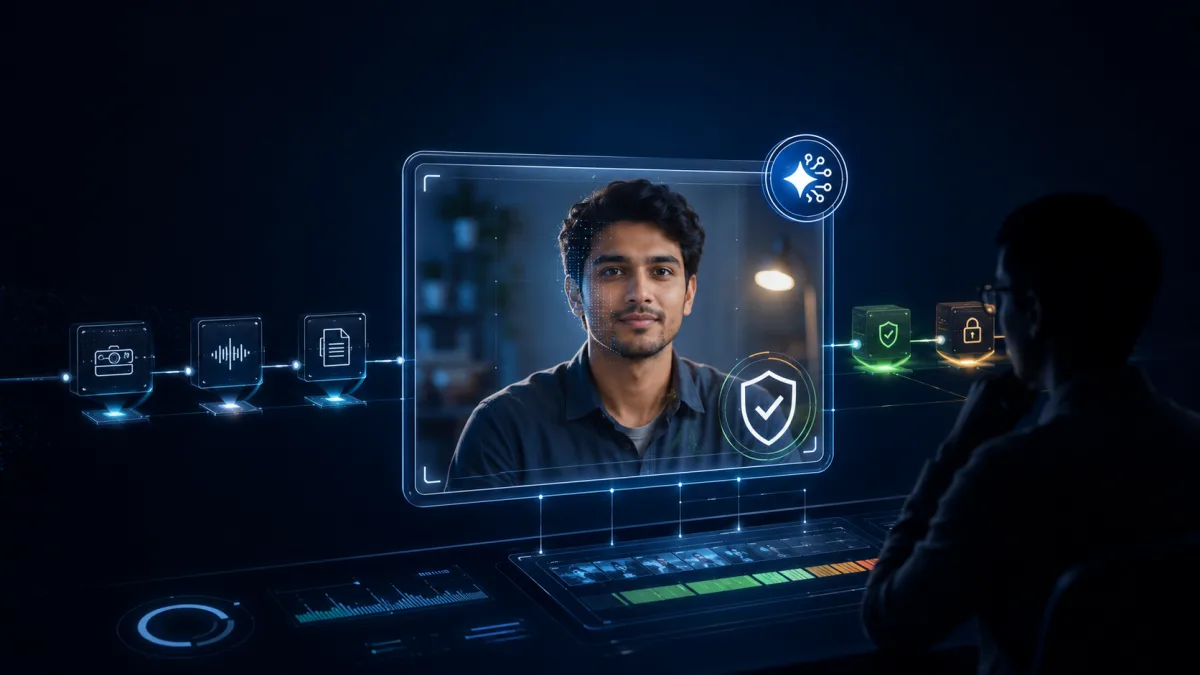
Traditional generative AI responds to prompts. Agentic AI plans and executes multi-step tasks — booking, filing, reconciling, orchestrating other software — with limited human intervention. That leap is why infrastructure has to change. As NVIDIA CEO Jensen Huang put it, "Every layer of the computing stack is being reinvented for the age of AI agents." HPE's June 2026 expansion of its AI Factory with NVIDIA is built exactly for that shift, targeting production-grade agentic workloads rather than demos, with an emphasis on security, governance and sovereignty baked in from the start.
Why governance beats raw horsepower now
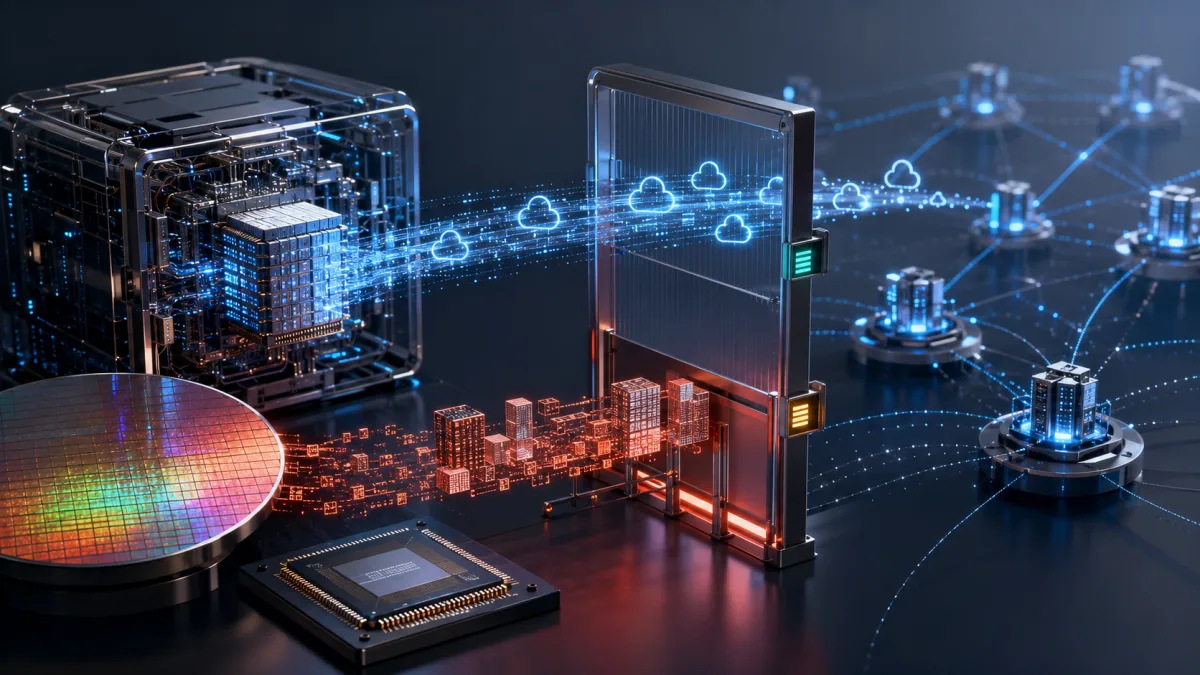
Here's the contrast with the last AI cycle. In 2024-25, the race was about model size and benchmark scores. In 2026, the bottleneck is trust: an agent that can act autonomously can also make expensive mistakes, leak data or violate policy. HPE president and CEO Antonio Neri framed it directly: "As AI becomes more autonomous, organizations need a new architecture to run it securely, govern it responsibly, and scale it economically." That's why HPE's pitch centers on observability, control and confidential computing — the guardrails — rather than just faster chips. The company's Private Cloud AI, co-engineered with NVIDIA, is positioned as a turnkey "AI factory" for exactly this.
This dovetails with the services-led approach we covered in Microsoft's $2.5B Frontier bet to embed AI engineers inside enterprises — both are answers to the same problem: getting AI from pilot to production.
How fast is agentic AI really coming?
Very fast, if analysts are right. Gartner projects that 40% of enterprise applications will feature task-specific AI agents by the end of 2026, up from less than 5% in 2025. Its 2026 survey found only 17% of organizations have deployed AI agents so far, yet more than 60% expect to within two years — the most aggressive adoption curve of any emerging technology it measured. In a best-case scenario, Gartner estimates agentic AI could drive roughly 30% of enterprise application software revenue by 2035, surpassing $450 billion, up from about 2% in 2025.

What to watch next
Three things will determine whether agentic AI delivers. First, whether enterprises can prove ROI on autonomous agents without governance disasters — one high-profile failure could chill adoption. Second, the hardware race: agent orchestration needs different silicon than model training, and vendors are scrambling to supply it. Third, the labor question — agents that complete workflows end-to-end intensify the automation pressure we explored in the truth about 2026's AI-driven tech layoffs. The winners will be firms that pair agents with redesigned processes, not those that bolt agents onto old ones.
What This Means for You
If you're an enterprise tech leader, start with a narrow, well-governed agentic use case where mistakes are cheap and measurable — don't hand agents high-stakes decisions on day one. Budget for observability and controls, not just compute. If you're a developer, agent orchestration, tool integration and guardrail engineering are fast-growing skills. And if you're a business owner, expect vendors to pitch "AI agents" aggressively this year; ask hard questions about security, auditability and what happens when an agent gets it wrong.
Frequently Asked Questions (FAQs)
Q: What is agentic AI in simple terms?
A: Agentic AI is software that can plan and carry out multi-step tasks on its own — not just answer questions, but take actions like filing, booking or coordinating other apps — with limited human input.
Q: What did HPE and NVIDIA announce in 2026?
A: In June 2026, HPE expanded its AI Factory with NVIDIA to run agentic AI in production, emphasizing security, governance, observability and sovereignty, including its turnkey HPE Private Cloud AI solution.
Q: How quickly will enterprises adopt AI agents?
A: Gartner projects 40% of enterprise apps will feature task-specific AI agents by end of 2026, up from under 5% in 2025, with over 60% of organizations expecting to deploy agents within two years.
Q: Why is governance so important for agentic AI?
A: Because agents act autonomously, they can make costly errors, leak data or break policy. Governance, observability and controls prevent those failures, which is why vendors now emphasize guardrails over raw model power.
Agentic AI is the moment enterprise software stops waiting for instructions and starts doing the work. HPE and NVIDIA are betting the winners will be those who can run it safely, not just fast. Watch governance, silicon and ROI over the next year. Is your organization ready to let AI take actions on its own? Tell us in the comments and share this with your engineering lead.