The Death of Blue Links (And What Comes Next)
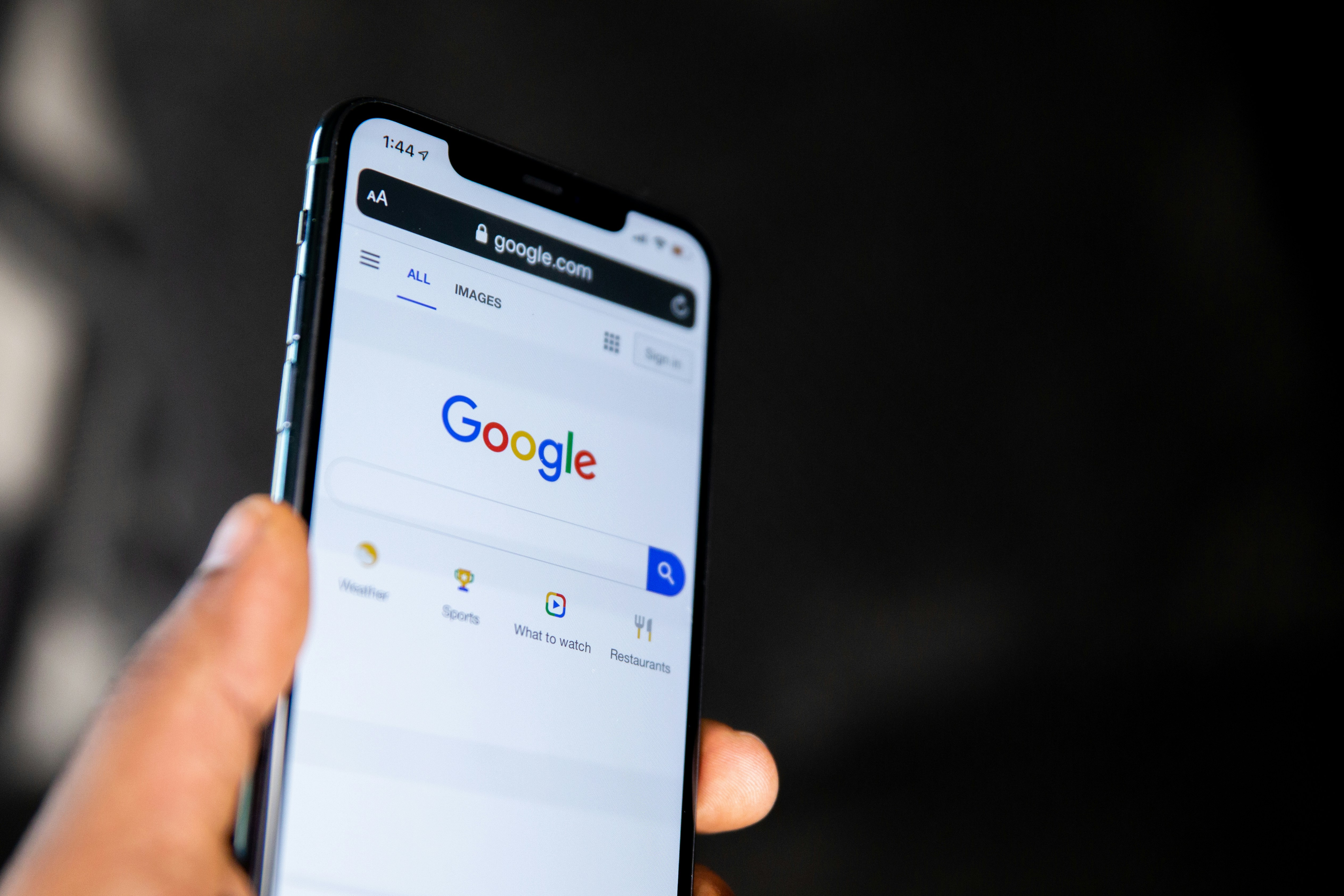
For 25 years, the Google Search box was the most visited piece of user interface on the planet. You typed a query. You got blue links. You clicked through. That compact loop defined the internet economy â the ad revenue of a trillion-dollar empire, the traffic lifeblood of publishers, the discovery layer for e-commerce. At Google I/O 2026, the company dismantled that paradigm and replaced it with something far more ambitious, and far more disruptive.
Sundar Pichai called it "the biggest change to Search since the search box debuted more than 25 years ago." This is not hyperbole from a CEO protecting market share. The new Search is genuinely, structurally different from everything that came before.
Gemini Spark: The Agent That Lives in Your Life
The centerpiece announcement was Gemini Spark â an always-on AI agent built on Gemini 3.5 Flash that runs in the background across the entire Google ecosystem. Unlike previous AI assistants that required explicit activation, Gemini Spark operates continuously, watching for context signals across Gmail, Google Docs, Google Calendar, Search, Android, and Google Cloud.
The practical implications are significant. Gemini Spark can proactively surface a relevant document before a meeting, draft a reply to an email based on your communication history, or update you on a topic you've been following â all without you asking. Google's distribution advantage here is enormous. With over 3 billion Android users, a billion Gmail accounts, and Search processing 8.5 billion queries per day, Gemini Spark has more context on human behavior than any competing AI product.

The New Intelligent Search Box
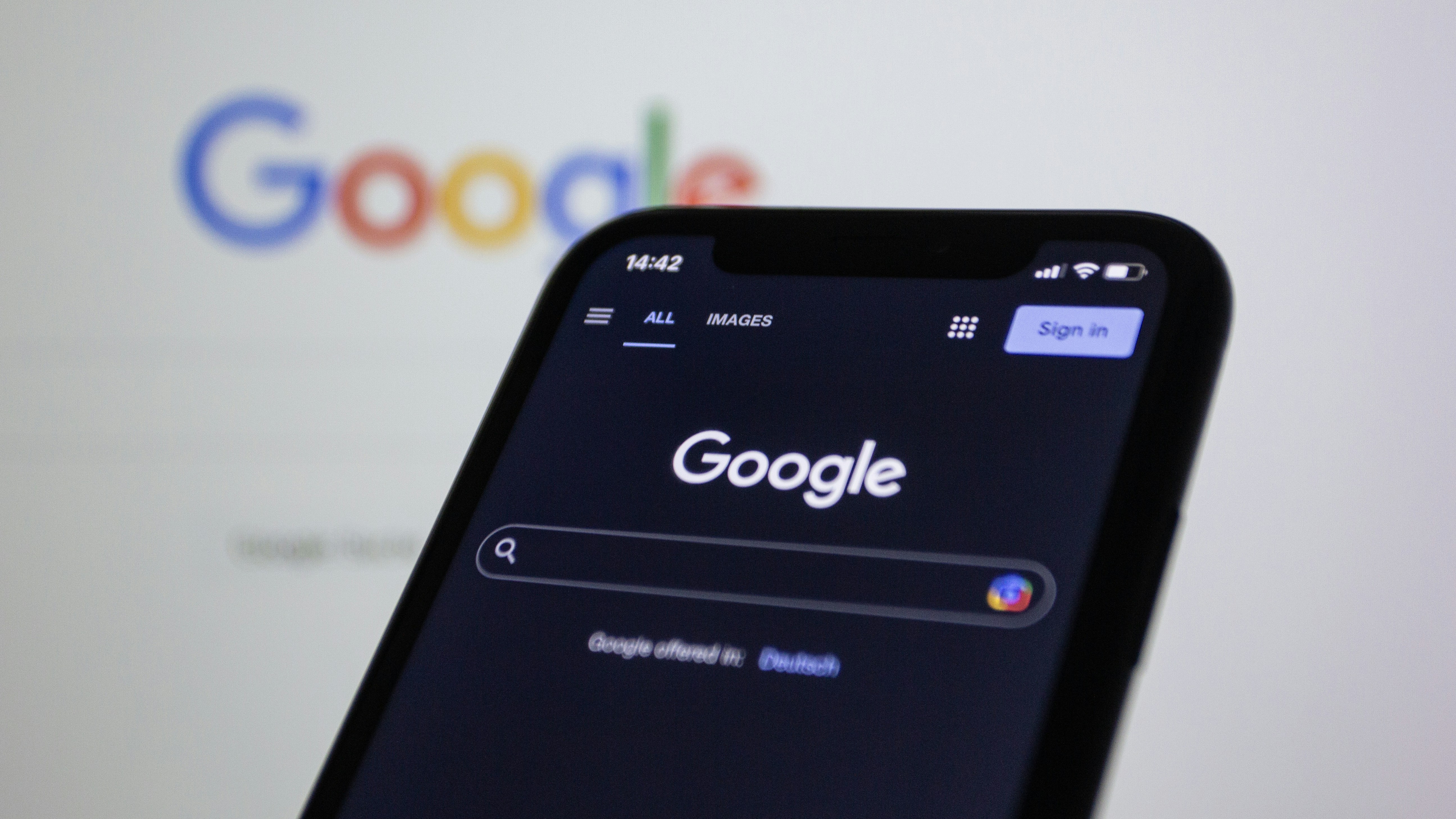
The redesigned search interface replaces the traditional short-query box with what Google describes as an "intelligent search box" optimized for longer, more conversational queries. Users can now attach files directly to search queries â upload a PDF, an image, or a spreadsheet and ask questions against it. AI Overviews have been expanded and now appear for a far wider range of queries, synthesizing results from across the web rather than simply ranking links.
Most consequentially, Google has introduced "information agents" â software processes that can be dispatched to monitor a topic and report back asynchronously. Ask Google to track price changes for a specific product, monitor breaking news on a company, or alert you when a paper in a specific field is published, and an agent will run in the background and notify you when conditions are met. This transforms Search from a pull medium (you ask, Google answers) to a push medium (Google watches and tells you).
What This Means for Publishers and Advertisers
The implications for the open web are profound and contested. If AI Overviews answer more queries directly â without users clicking through to publisher sites â the traffic foundation of independent media erodes further. News organizations, affiliate marketers, and SEO-dependent e-commerce businesses are already adapting to AI-driven search; this update accelerates that pressure dramatically.
For advertisers, Google has been careful to ensure that AI-powered search surfaces sponsored results alongside AI-generated answers. The new Search introduces "AI-powered ads" that can be contextually matched to the intent inferred from longer, more complex queries â in theory improving conversion rates even as click volumes change. Google's ad revenue model is being rebuilt around AI relevance rather than keyword matching.
Mini Apps and Personalization
One of the more intriguing I/O announcements was the ability for users to build personalized "mini apps" within Search â lightweight, AI-generated interfaces tailored to a specific recurring need. A user who frequently tracks flight prices for a specific route could create a mini app that presents that data in a customized format, pulling live results and presenting them through a purpose-built UI. No coding required, no app download.
This positions Google as a platform not just for search but for lightweight personal software creation. It's a direct challenge to app stores, specialized SaaS tools, and the entire category of simple consumer web apps. Why download a price tracker app when Google Search can generate one for you on demand?
The Competitive Landscape
The timing of these announcements is not incidental. OpenAI's SearchGPT, Microsoft Copilot's integration with Bing, and Perplexity AI have all taken meaningful share of AI-native search queries. Google's own internal data reportedly showed an acceleration in AI-first search behavior among users under 35. The I/O announcements are Google's definitive answer: not incremental AI integration, but a complete reimagining of the product from the ground up.
Whether Gemini Spark becomes as integral to daily life as Google Maps or Gmail remains to be seen. The technical foundation is sound. The distribution is unmatched. The key question is trust â users granting an AI agent persistent background access to their digital lives requires a level of confidence in Google's privacy practices that not everyone shares. But for those who opt in, the promise is a search experience that stops requiring you to search at all.
Looking Ahead
Google's I/O 2026 announcements represent a watershed moment in the evolution of the web. The intelligent search box, Gemini Spark, AI agents, and mini app creation collectively constitute a new paradigm â one where the interface between human intent and information retrieval is mediated not by keywords and blue links, but by an AI that understands context, remembers history, and acts proactively. For better or worse, the web as we knew it is over.