"Sare Jahan Se Accha" — The Quote That Defined a Nation's Pride
On April 2, 1984, Squadron Leader Rakesh Sharma floated into the Soviet space station Salyut 7, becoming the first Indian citizen to travel in space. When Prime Minister Indira Gandhi asked him how India looked from space, his reply — "Sare jahan se accha" (from the beloved patriotic poem meaning "better than the whole world") — became one of the most iconic moments in Indian history. Forty years on, that moment still gives goosebumps.
As India prepares to launch its own astronauts through the Gaganyaan mission, the story of Rakesh Sharma is more relevant than ever. For more on India's space ambitions, read our detailed coverage of the ISRO Aditya-L1 Mission: Main Objective, Status & Key Facts 2026.
Rakesh Sharma: The Complete Story
Born on January 13, 1949 in Patiala, Punjab, Rakesh Sharma joined the Indian Air Force and rose to the rank of Squadron Leader. He was selected for the joint Soviet-Indian space programme — called the Intercosmos programme — after rigorous training at the Yuri Gagarin Cosmonaut Training Centre near Moscow.
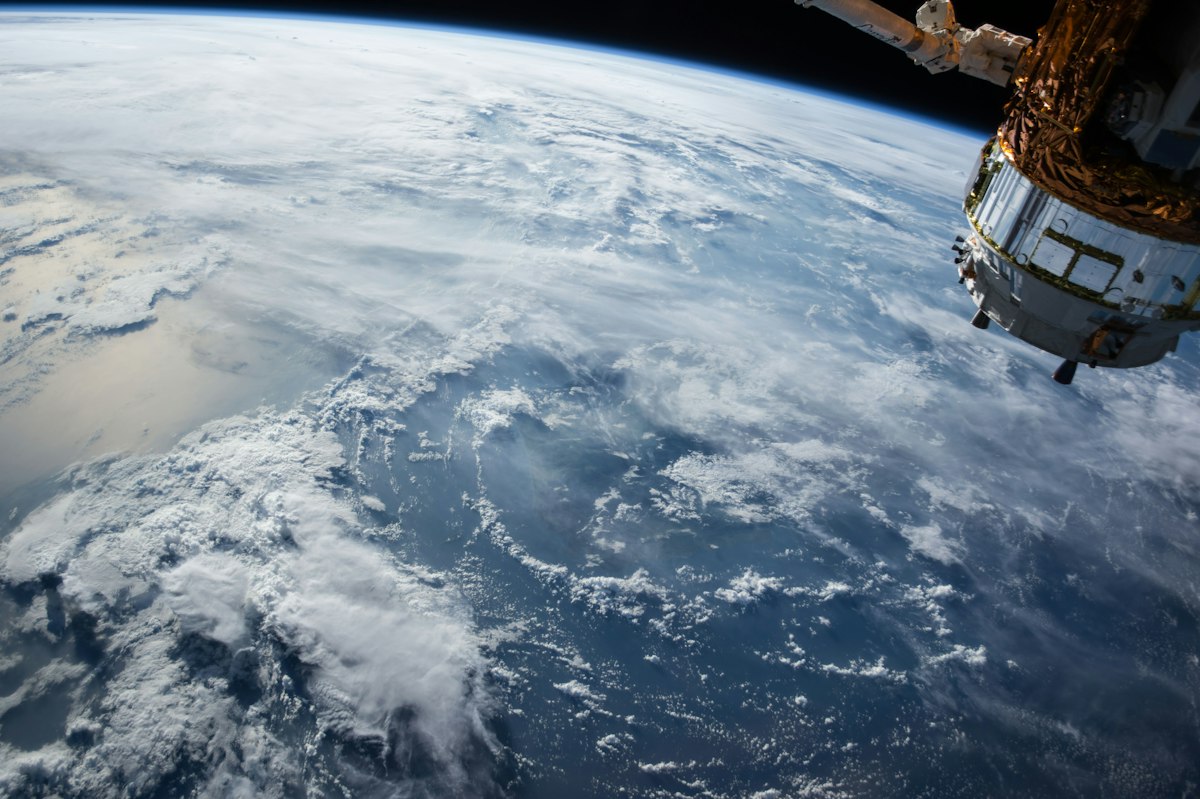
On April 2, 1984, he launched aboard Soyuz T-11 alongside Soviet cosmonauts Yuri Malyshev and Gennady Strekalov. He spent 7 days, 21 hours, and 40 minutes in space aboard the Salyut 7 space station. During his mission, he conducted scientific experiments including remote sensing of India from orbit, yoga-based exercises to study their effects in microgravity, and materials science experiments.
He was awarded the Hero of the Soviet Union — one of the highest Soviet honours — and India's Ashoka Chakra (the peacetime equivalent of the Param Vir Chakra). After retiring from the Air Force, Sharma worked in the private sector, including at Hindustan Aeronautics Limited (HAL).
Was Rakesh Sharma the Only Indian in Space?
Technically, yes — he remains the only Indian citizen to have flown in space as of early 2026. Two other astronauts of Indian origin — Kalpana Chawla and Sunita Williams — flew with NASA but held American citizenship at the time of their missions.
Kalpana Chawla, born in Karnal, Haryana, became the first Indian-born woman in space when she flew on STS-87 in 1997. She tragically perished in the Space Shuttle Columbia disaster on February 1, 2003.
Sunita Williams (born to an Indian father) holds the record for most spacewalks by a woman and served as commander of the International Space Station. In 2024, she flew on Boeing's Starliner test mission, which extended unexpectedly — but she returned safely to Earth in early 2025.
Gaganyaan: India's Next Chapter in Human Spaceflight
Four decades after Rakesh Sharma's mission, India is on the verge of sending its own astronauts to space — this time, in a rocket and capsule built entirely in India. The Gaganyaan mission, being developed by ISRO, aims to send a 3-person crew to a 400 km low Earth orbit for up to 3 days before returning safely to Earth.
ISRO has selected four Indian Air Force pilots as astronaut candidates: Prasanth Balakrishnan Nair, Ajit Krishnan, Angad Pratap, and Shubhanshu Shukla. All four have undergone training at the Yuri Gagarin Cosmonaut Training Centre — the same facility where Rakesh Sharma trained 40 years ago. Shubhanshu Shukla is also set to fly to the ISS on an Axiom Space mission before Gaganyaan launches, making him India's first citizen in space since 1984.
Why This Matters: India's Space Economy Is Booming
India's space sector is no longer just about national pride — it's a multi-billion-dollar economic opportunity. With ISRO opening up to commercial players and companies like Agnikul Cosmos, Skyroot Aerospace, and Pixxel raising significant capital, India's space economy is projected to reach $44 billion by 2033 (from ~$8 billion today). Human spaceflight — starting with Gaganyaan — is the centrepiece of this transformation.
From Rakesh Sharma's "Sare jahan se accha" in 1984 to Gaganyaan's planned launch, India's journey into space reflects the country's broader technological ambitions. It's a story that spans generations — and the best chapters are still being written.