
What Is EEG Technology and Why Is It Suddenly Trending?
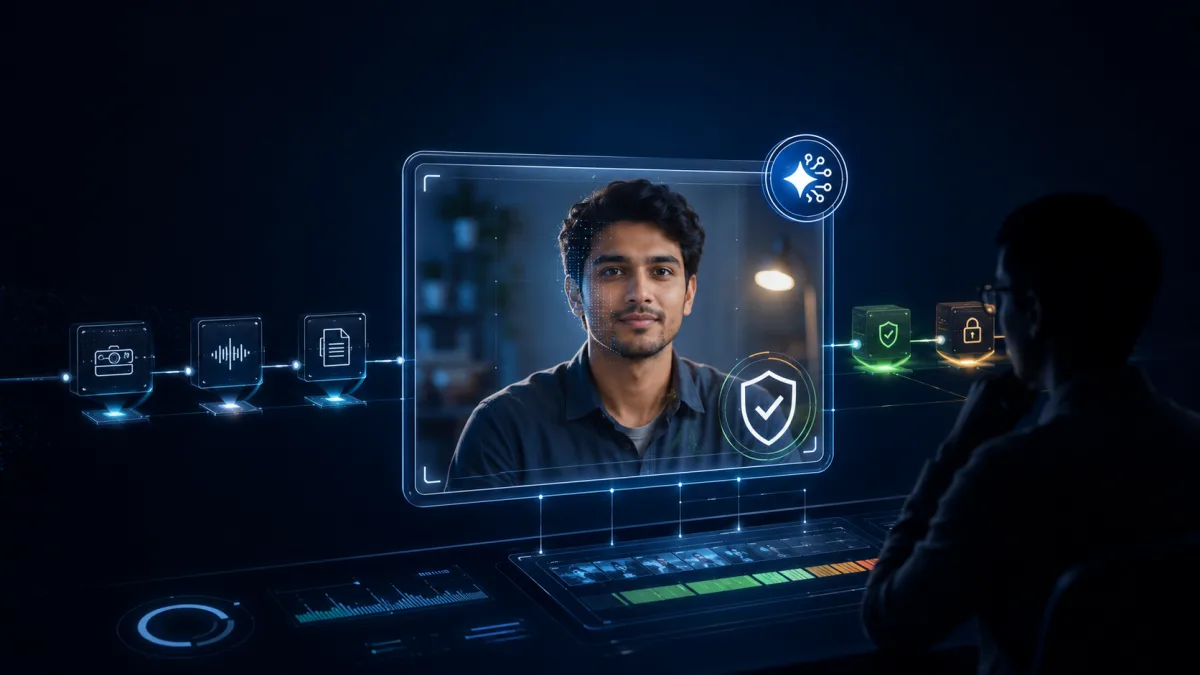
EEG — electroencephalography — is the technology that reads electrical activity in your brain through sensors placed on the scalp. For decades it was confined to hospital neurology wards. In 2026, it is moving into headbands, gaming headsets, workplace wellness devices, and — with Neuralink — directly into the human skull.
Searches for "EEG tech" surged 60% in the United States in May 2026, driven by a wave of product launches, clinical trial results, and Elon Musk's continued Neuralink updates that have pushed brain-computer interface technology into mainstream consciousness.

The Three Tiers of EEG Technology in 2026
Tier 1: Non-Invasive Consumer Devices
These are headbands and headsets that sit on your scalp without surgery. The leading products in 2026:
- Muse 3 Headband — meditation and sleep tracking, $299, available at Best Buy
- Emotiv EPOC X — 14-channel EEG used for gaming, research, and enterprise wellness programs, $849
- Neurosity Crown — developer-focused brain-computer interface for focus tracking and app control, $999
- InteraXon Muse S — sleep-focused EEG with biofeedback coaching
These devices are limited in resolution but accessible, safe, and increasingly useful for focus measurement, meditation feedback, and early cognitive health monitoring.
Tier 2: Medical-Grade Non-Invasive EEG
Hospital and clinical EEG systems from companies like Natus, Nihon Kohden, and Brain Products read 64–256 channels simultaneously, giving neurologists the resolution needed to diagnose epilepsy, sleep disorders, and brain injuries. AI-powered analysis from companies like Neurela and Aidoc now automates seizure detection with 94%+ accuracy.
Tier 3: Invasive Brain-Computer Interfaces (Neuralink & Competitors)
This is where it gets genuinely extraordinary. Neuralink's N1 chip — surgically implanted by a robot into the motor cortex — has now been implanted in three human patients. Noland Arbaugh, the first recipient, demonstrated controlling a computer cursor and playing chess using only his thoughts. The implications for paralysis treatment are profound.
Competitors include Synchron's Stentrode (inserted via blood vessel, no open brain surgery required) and Precision Neuroscience's Layer 7 cortical interface, which is thin enough to sit on the brain surface without penetrating it.
Real-World Applications Driving the 60% Search Surge
1. Workplace Focus and Productivity Monitoring
Several enterprise companies including Emotiv and Nuro are selling EEG-based "cognitive load monitoring" systems to corporations — essentially measuring whether employees are focused or mentally fatigued in real time. The debate about whether AI is making humans cognitively weaker has made brain monitoring tools suddenly seem very relevant to employers.
2. Gaming and Immersive Entertainment
EEG-controlled gaming — where your mental state affects gameplay — has moved from demo to product. PlayStation filed patents in 2025 for an EEG-integrated controller, and several indie studios have launched games that respond to player stress levels detected via consumer EEG headsets.
3. Mental Health and Neurofeedback Therapy
Real-time neurofeedback — where patients watch their own brainwave patterns and learn to modulate them — is being used to treat ADHD, anxiety, PTSD, and depression without medication. EEG-based neurofeedback clinics grew 340% between 2022 and 2026, driven partly by post-COVID mental health demand.
4. AI + EEG: The Combination Changing Everything
The real step-change is AI's ability to decode EEG signals that were previously too noisy to interpret. Companies like Anthropic and Meta's FAIR lab are applying large language model architectures to EEG data, enabling real-time thought-to-text decoding that was science fiction five years ago.
The Privacy Problem Nobody Is Talking About
Brain data is the most intimate data that exists. Unlike a password, you cannot change your neural patterns if they are compromised. Yet the regulatory framework for EEG data is almost nonexistent in 2026.
The EU's AI Act touches on neural data in limited ways. The US has no federal brain data privacy law. Chile became the first country in the world to pass a neurorights law in 2021 — protecting mental privacy, free will, and equal access to cognitive enhancement. As of 2026, no other country has followed.
When you buy a consumer EEG headband and accept the terms of service, you are almost certainly signing away rights to your brainwave data for commercial use — including AI training.

What EEG Tech Means for the Future of Work and AI
The convergence of EEG, AI, and ubiquitous computing points toward a future where computers respond to intention rather than input. Typing becomes optional. Navigation becomes thought. The question of what replaces the smartphone may well have "brain interface" as part of the answer.
For 2026, the practical reality is more modest but genuinely exciting: better mental health tools, improved accessibility for people with disabilities, and the early stages of a cognitive enhancement industry that will be orders of magnitude larger by 2030.
Should You Buy an EEG Device in 2026?
If you are curious about meditation or sleep quality, the Muse S is a well-reviewed entry point at under $300. For developers and researchers, the Neurosity Crown offers real programmability. For serious neurofeedback therapy, seek a licensed clinician rather than a consumer device.
For Neuralink — unless you have severe paralysis and qualify for a clinical trial, the chip is not available to you yet. The surgical risk profile and regulatory timeline mean widespread consumer availability is at minimum 5–8 years away.
The brain-computer interface era is beginning. It is not science fiction anymore — but it is also not yet what the hype suggests. The honest position is somewhere between dismissal and breathless excitement: watch closely, proceed thoughtfully, and guard your neural data like the irreplaceable asset it is.