
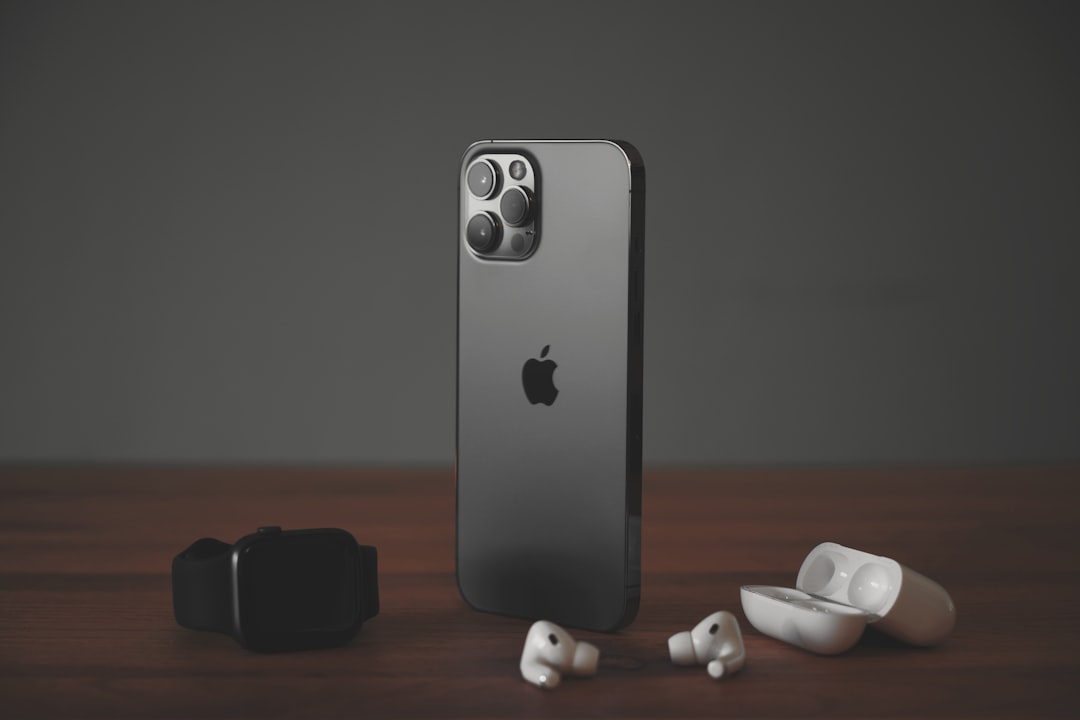
Apple Is About to Blow Open the AI Market on iPhone
Apple is preparing one of the most consequential changes to the iPhone's software architecture in years: with iOS 27, users will be able to choose which AI model powers Siri, writing tools, image generation, and other Apple Intelligence features. Instead of a single OpenAI integration, Apple is building an "Extensions" framework that supports models from Google (Gemini), Anthropic (Claude), OpenAI (ChatGPT), and potentially others — all selectable from the Settings app.
The features are expected to debut at WWDC this summer, with public release in fall 2026 alongside iPhone 18. It would mark the most open Apple has ever been about third-party integration at the OS level.
How the "Extensions" System Actually Works
Apple's "Extensions" framework works as a plug-in layer within Apple Intelligence. The settings would include a new AI Provider section where users select their preferred model for different task types: writing assistance, Siri voice queries, image generation, and coding help. Siri would use a different voice depending on which model is responding — Apple's own voice for its models, a distinct voice for Claude or Gemini — giving users transparent signal about which AI is answering.
What This Means for Google and Anthropic
Apple ships over 200 million iPhones per year. Integration at the OS level would give Gemini and Claude an install base rivaling or exceeding their current total user counts overnight. Apple is already in closed-door testing with both providers and has signed agreements positioning them as viable alternatives to OpenAI.
The Competitive Implications for OpenAI
OpenAI's current integration with Apple — powering ChatGPT's presence within Siri and Apple Intelligence — has been a major distribution advantage. If iOS 27 makes that integration optional, OpenAI's privileged position erodes. The company would be competing on model merit, not default placement — a significant shift as OpenAI prepares for a potential IPO.
The Privacy Angle: Why Users Might Care
Different AI providers have different data policies and training practices. Some users may prefer Claude's Constitutional AI safety approach; others may prefer to stay within Google's ecosystem for Workspace integration. Having a choice respects user diversity in ways a single default cannot. Apple's approach maintains its privacy-focused brand while expanding functionality.
What to Expect at WWDC 2026
WWDC 2026 will officially unveil iOS 27's AI ambitions. Beyond third-party AI selection, expect deeper Siri agentic capabilities, improved on-device models, and potentially AI hardware features in iPhone 18 for more sophisticated local inference. For consumers, the bottom line is simple: the AI interface on your phone is becoming as customizable as your default browser — and that is unambiguously good for users who want control over their digital experience.